

The Jacqueline Kennedy Onassis Reservoir is an extremely popular recreational spot where visitors can exercise or simply enjoy a leisurely walk. However, this body of water originally had a very different purpose, serving as a vital part of New York City’s water supply system. Learn more about its construction, decommissioning, and renaming below. More on manhattanname.com.
Foundation and Construction
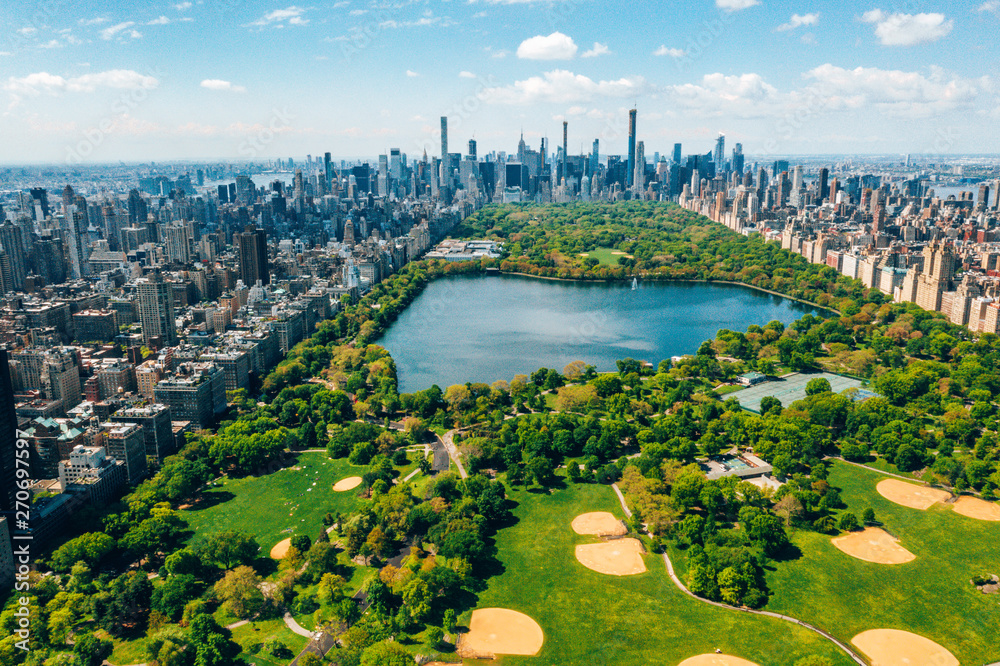
The Jacqueline Kennedy Onassis Reservoir is one of the largest and most renowned reservoirs in the state. Located in the heart of Manhattan’s Central Park, it stretches between 86th and 96th Streets.
Previously, this area was home to the Yorkville Reservoir, also known as the Lower Reservoir. As noted earlier, it supplied clean water to the city. In the 1850s, Nicholas Dean, the head of the Croton Aqueduct distribution system, proposed building a park around the reservoir and an additional tank to provide greater capacity for the original reservoir, which predated the park and was located slightly further south.
A design competition was held to select the best project. The requirements included a detailed architectural plan featuring playgrounds, intersecting pathways, an open plaza, and, of course, the additional reservoir. The winning project was submitted by American architects Calvert Vaux and Frederick Law Olmsted.
Construction of the park began in 1857, and work on the reservoir started in 1858. However, the process faced significant delays due to funding issues. By 1860, part of the park was completed, and the new reservoir was being filled. Known as the “Upper Reservoir,” it was fully completed in 1862, covering 106 acres and holding more than a billion gallons of water. Unlike the rectangular Lower Reservoir, the Upper Reservoir was designed with an irregular shape to better blend with the park’s landscape.
Decommissioning
In 1903, the Lower Reservoir was deemed unsuitable for water supply and was decommissioned. Thirty years later, it was demolished. A similar fate awaited the Upper Reservoir, which was decommissioned in 1993 due to the construction of a new water distribution system beneath 79th Street and concerns over water quality.
Thanks to persistent efforts by local residents, the reservoir was preserved intact and handed over to the New York City Department of Parks and Recreation in 1999.
Renaming the Reservoir
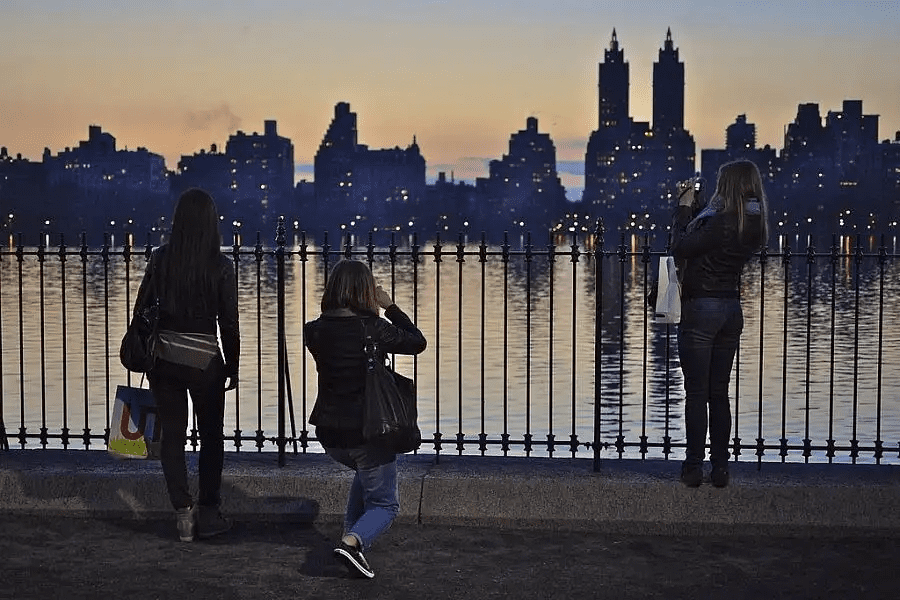
In 1994, the reservoir was renamed in honor of Jacqueline Kennedy Onassis, the former First Lady of the United States. This decision was made to commemorate her significant contributions to the city’s development and preservation. Notably, she played a key role in saving and restoring Grand Central Terminal. Additionally, Jacqueline enjoyed jogging in Central Park, and her apartment overlooked the reservoir.
The Reservoir Today
The Jacqueline Kennedy Onassis Reservoir remains a highly popular destination for both locals and tourists. It has hosted notable figures such as singer Madonna, 44th U.S. President Barack Obama, and 42nd U.S. President Bill Clinton, all of whom have jogged along its pathways. The area is beautifully landscaped and safe, offering visitors a delightful experience.
Moreover, as an ecological reserve, the reservoir attracts a variety of birds, including spoonbills, coots, ducks, loons, herons, cormorants, gulls, and geese. The Jacqueline Kennedy Onassis Reservoir continues to serve as a cherished retreat within the bustling city.