

In New York City, the concrete jungle that never sleeps, eco-tourism is gaining popularity year after year. All five boroughs, including Manhattan, offer diverse resources for sustainable living. Tourists can discover eco-friendly attractions, restaurants, hotels, and a variety of green transportation options. Read on to learn more about how Manhattan is embracing this popular 21st-century trend. Read more on manhattanname.
What Exactly is Green Tourism?
Green tourism, also known as eco-tourism or sustainable tourism, involves responsible travel. Its core principles include minimizing negative environmental impact, protecting biodiversity, fostering ecological awareness among the public, and respecting local cultures. Eco-tourism is more than just a choice; it’s a commitment to an environmentally responsible and sustainable future.
In New York City, green tourism primarily focuses on actions that help reduce carbon footprints and conserve energy. It also means nurturing local communities, participating in environmentally conscious activities, and exploring the city’s lesser-known eco-friendly spots. NYC is continuously introducing new, large-scale sustainability initiatives, such as public transport enhancements and the promotion of green urban spaces. These efforts directly contribute to a more eco-friendly lifestyle for tourists.
Eco-Accommodations: A Cornerstone of Green Tourism
Manhattan boasts numerous eco-friendly lodging options for tourists. These establishments recycle hygiene products and dishes, prioritize energy conservation, and use natural products. One such example is The Standard Hotel. Located in the East Village, one of New York’s most vibrant and artistic neighborhoods, it’s a cozy, charming, and eccentric hotel all at once. On its premises, you’ll find a quiet, peaceful garden; the bustling Café Standard; and NO BAR, a spot featuring DJs and special events.
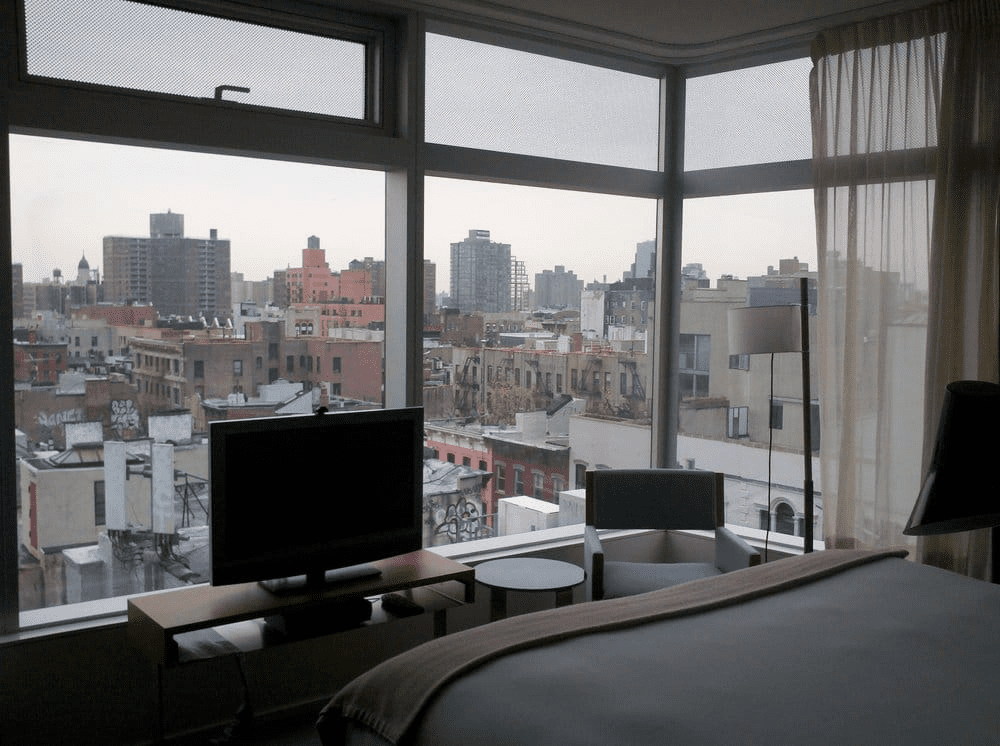
Rooms at The Standard Hotel offer unique views of the East Village rooftops, as well as the city’s famous bridges and skyscrapers. The floor-to-ceiling windows, huge HD screens, and Bluetooth-enabled audio systems enhance the experience. Bathrooms are adorned with mosaic tiles. Some rooms feature retro furniture and exquisite beds with plush down pillows.
Another of Manhattan’s many eco-friendly establishments is the Ace Hotel New York. This historic boutique hotel offers well-appointed, stylish rooms; a cozy bar; a spacious lobby; a gym; and a gallery. Overall, eco-friendly hotels and similar accommodations contribute to environmental preservation without compromising guest comfort. These sustainable lodging options are more than just a place to sleep; they represent a commitment to sustainable development.
Green Transportation: An Alternative to Pollution
If you’re a proponent of sustainable tourism, forget about riding in those iconic yellow cabs. Instead, consider eco-friendly transportation. New York City offers several low-carbon emission transit options that enhance the travel experience. Available throughout the city, and particularly in Manhattan, are:
- Public Transportation: Compared to private cars, public transport causes significantly less environmental damage. New York’s extensive public transportation system includes subways, buses, and commuter rail.
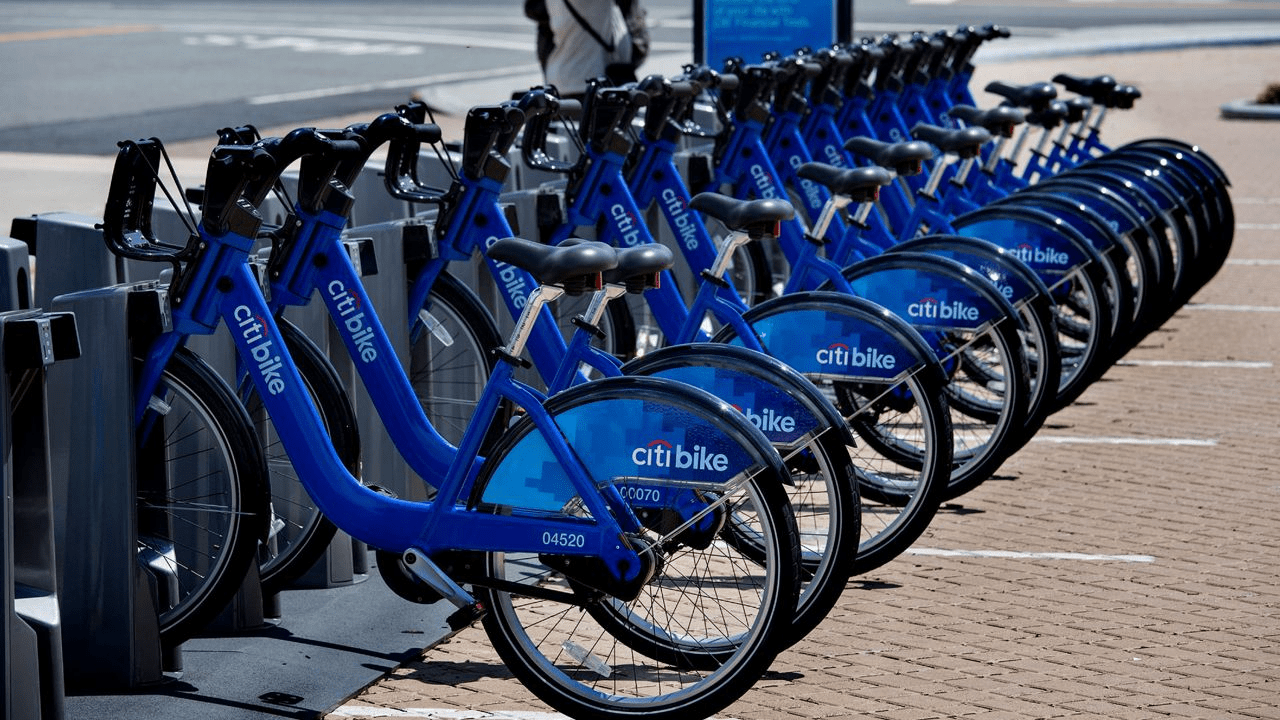
- Bicycles: The Citi Bike program operates throughout the city, offering bikes at hundreds of stations 24/7. Citi Bike was created to reduce harmful emissions, road wear and tear, and traffic congestion, while also improving public health. Options include classic bikes, new-generation e-bikes, and specialized pedal-assist e-bikes that make conquering bridges and shortening commutes a breeze.
- Ferries: Few tourists take advantage of New York’s ferry services, and that’s a shame, as they are one of the most unique eco-friendly transportation options. Ferries are a fantastic way to get from one side of the East River to the other while enjoying breathtaking city views. Plus, some ferry lines use solar-powered vessels, further reducing harmful emissions.
- Electric Vehicles (EVs): For those who still prefer exploring the city by car but want to reduce their carbon footprint, electric vehicle rentals are available through the city’s car-sharing programs. Many rental companies, like Zipcar, offer EV options. Most of these providers have charging stations conveniently located throughout the city, so you don’t have to worry about running out of power mid-journey.
- Electric Scooters: Undeniably the trendiest eco-friendly transportation option in New York City is electric scooters. They are incredibly popular among hipsters and don’t require a driver’s license. However, note that the minimum age for use is 16. Electric scooter rental points are located throughout the city.
- Helicopters: Seeing New York from a bird’s-eye view is a special kind of pleasure. While helicopters are generally considered non-eco-friendly, some companies use specialized aircraft designed for eco-tourism. These produce fewer carbon emissions than conventional helicopters. Booking such an excursion will allow you to see some of the Big Apple’s most famous landmarks, such as the Statue of Liberty, Central Park, and the legendary Empire State Building.

Eco-Friendly Food: Another Crucial Component
Manhattan features dining establishments that serve dishes made with organic products. Many restaurants use natural ingredients and partner with farmers who practice organic farming and responsible animal husbandry. Additionally, these establishments strive to maximize waste recycling and avoid plastic use.
One environmentally conscious Manhattan restaurant is Hawksmoor. As of May 2025, it is the only B Corp-certified steakhouse in the USA. This means the establishment meets high standards of social and environmental performance, transparency, and accountability. Beyond using eco-friendly LED lighting and creating a thriving workplace for staff, the essence of Hawksmoor’s sustainability lies in its meat. Animals from the farms that the steakhouse partners with are grazed on eco-friendly pastures.
Crave Sushi Bar is New York City’s first fully eco-friendly seafood restaurant and the second restaurant in New York to receive B Corp certification. This sushi bar uses only responsibly sourced fish and shellfish from sustainable farms.
Eco-Friendly Locations Over Conventional Spots
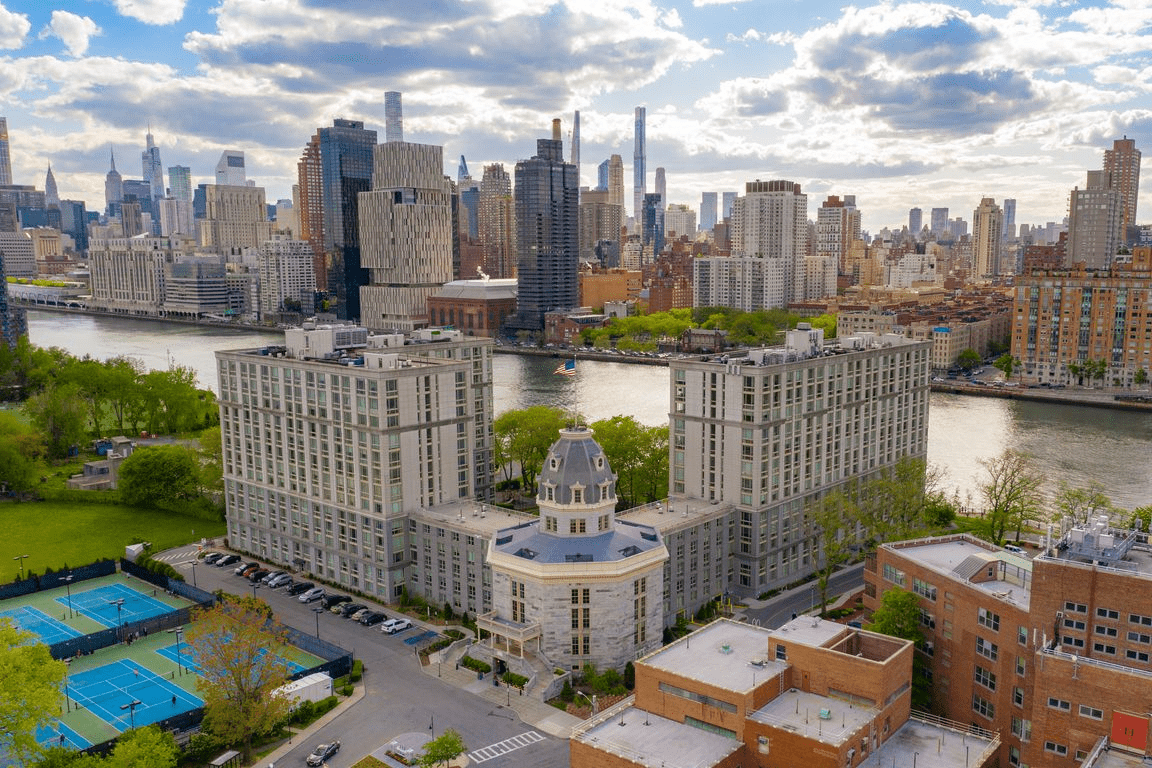
Finally, you can contribute to environmental preservation by prioritizing visits to eco-conscious locations within the borough. For example, consider a trip to Roosevelt Island. Here, you’ll find The Octagon, a historic octagonal building and apartment complex. During its construction, developers partially used recycled and local materials. Furthermore, almost half of the construction waste was recycled. The heating, ventilation, and air conditioning (HVAC) system helps reduce energy consumption by 35%. This is a prime example of green building.