

This article explores the history and activities of the Environmental Defense Fund (EDF), an American organization dedicated to addressing environmental issues. Learn more about its foundation, activities, and controversies below. More on manhattanname.com.
Foundation of the Environmental Defense Fund

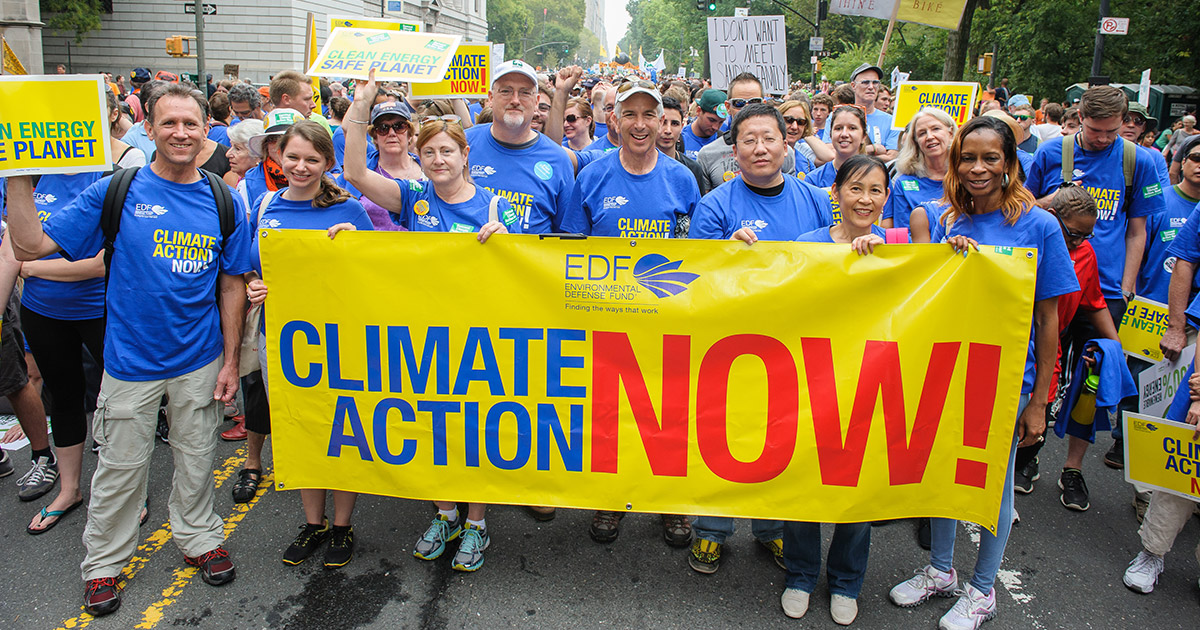
The Environmental Defense Fund (EDF) is a nonprofit organization focused on solving environmental challenges in the United States. Its initiatives include ecosystem restoration, combating global warming, ocean conservation, and safeguarding human health. While the organization’s headquarters is located in Manhattan, it operates offices across the U.S., including in Boulder, Los Angeles, Washington, D.C., St. Petersburg, Austin, Boston, Raleigh, San Francisco, and Florida.
Founded in 1967, EDF was established by scientists Robert Smolker, Victor John Yannacone, Dennis Puleston, Charles Frederick Wurster Jr., George Masters Woodwell, Robert Burnap, and Arthur P. Cooley. The organization’s inception was prompted by their discovery of the rapid decline of predatory bird populations, which they traced to the spraying of a chemical designed to combat mosquitoes. These early efforts led to the formation of the ecological movement that eventually became EDF. Their collective advocacy resulted in a ban on this chemical, first in Suffolk County, Long Island, New York, and later nationwide.
Subsequent Work of the Environmental Defense Fund
EDF played a significant role in ensuring access to clean drinking water, particularly through its contributions to the drafting and passage of the Safe Drinking Water Act. The organization conducted statistical research that highlighted the link between cancer and contaminated water, bringing the issue to public attention and driving policy changes.
Another core focus of EDF’s efforts is the reduction of methane emissions. The organization aims to cut methane pollution by 45% by 2025. Methane, a potent greenhouse gas, significantly contributes to global warming. While it remains in the atmosphere for a shorter duration compared to carbon dioxide, methane traps heat about 80 times more effectively, making it a dangerous pollutant.
To address this issue, EDF initiated the MethaneSAT project, launching a satellite on March 4, 2024. The satellite monitors major sources of methane emissions in real-time, with all data being publicly available. This project is funded by The Audacious Project, demonstrating a commitment to transparency and accountability.
Controversies Surrounding the Environmental Defense Fund
Despite its positive contributions, EDF has faced criticism for its collaborations with major corporations such as Walmart, TXU, McDonald’s, and FedEx. These partnerships often lead to compromises that some argue undermine environmental principles.
Additionally, the organization has been criticized for policies such as catch quotas, which impose strict limits on fish harvesting, and the Rigs-to-Reefs program, which transforms decommissioned oil rigs into artificial reefs. These initiatives have sparked debates regarding their environmental and economic impacts.
EDF continues to navigate the complex intersection of environmental advocacy and corporate collaboration, striving to balance ecological goals with practical solutions.