

Americans generate more trash than anyone else on the planet—three times the global average per person. New York City, with its population of over 8 million, produces more than 10,000 tons of waste and recycling every single day. To find out how this megacity handles its trash and how its methods have evolved over the years, read on at manhattanname.
From Ocean Dumping to Landfills
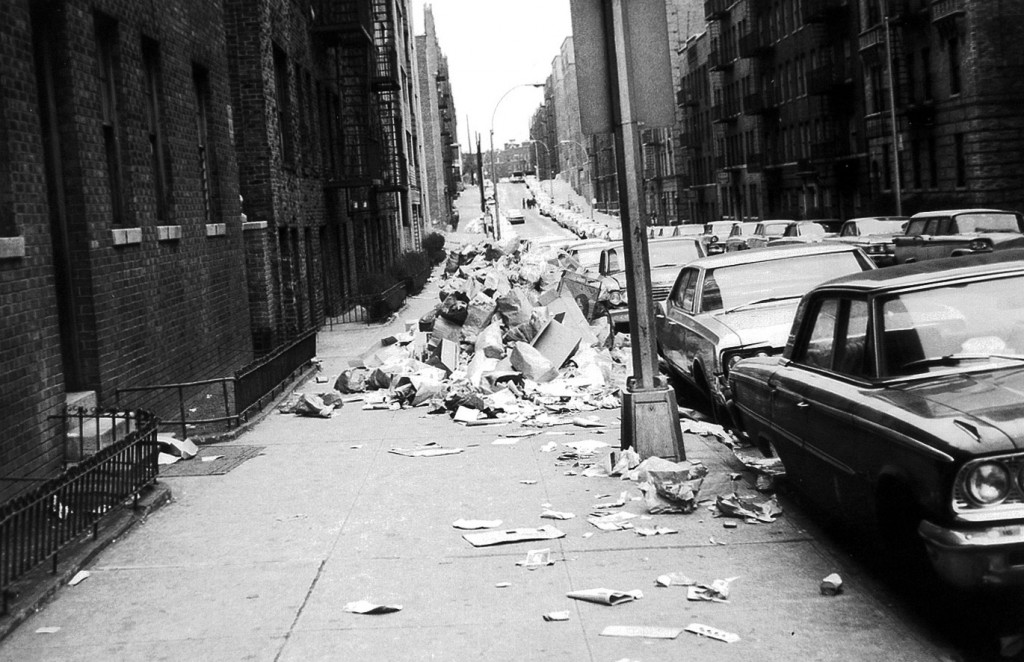
Waste management has long been a challenge for New York City. In the 17th century, residents simply threw ash, dead animals, and other trash onto the streets. Throughout the 1880s, most of the city’s waste ended up in the Atlantic Ocean. The situation finally shifted in 1895, when Street Cleaning Commissioner George Waring implemented a revolutionary waste management plan. Under his leadership, ocean dumping was banned, and the city began separating its waste.
Household waste was divided into:
- Food scraps, which were steam-processed to create grease for soap manufacturing, as well as fertilizer.
- Paper and other marketable materials.
- Ash, which was taken to a landfill.
During World War I, recycling efforts stalled due to labor and material shortages, and waste once again filled the ocean. In the 1930s, the city permanently stopped ocean dumping, shifting to incineration plants and landfilling the ash. Over the 20 post-war years, the NYC Department of Sanitation built 22 incinerators and opened 89 landfills. However, the number of plants dwindled, and by 1994, not a single one remained.
By 1991, nearly all of New York City’s landfills had also been closed after reaching capacity. From then until 2001, only one remained open: the Fresh Kills Landfill on Staten Island. Before its closure, it was considered the largest landfill in the world. In 2008, work began to redevelop the site into a public park.
So, if New York City has no active landfills or incinerators, where does its garbage go? Non-recyclable waste is exported to landfills in states like Pennsylvania, Ohio, and Virginia. Much of Manhattan’s trash is incinerated across the Hudson River in New Jersey. Paper waste, when properly separated, is recycled locally or sent overseas for further processing. Glass, metal, and plastic collected from the curbside are sent to Brooklyn and New Jersey for recycling. Organics are composted.
The Department of Sanitation
In 1881, responding to public outcry over the city’s filthy streets, the NYC Department of Street Cleaning was created. In 1933, it was renamed the New York City Department of Sanitation (DSNY). Its mission is to keep New York City healthy, safe, and clean. This is achieved by collecting, recycling, and disposing of waste; cleaning streets; combating illegal dumping; and clearing snow and ice. Every day, DSNY collects 24 million pounds of trash.
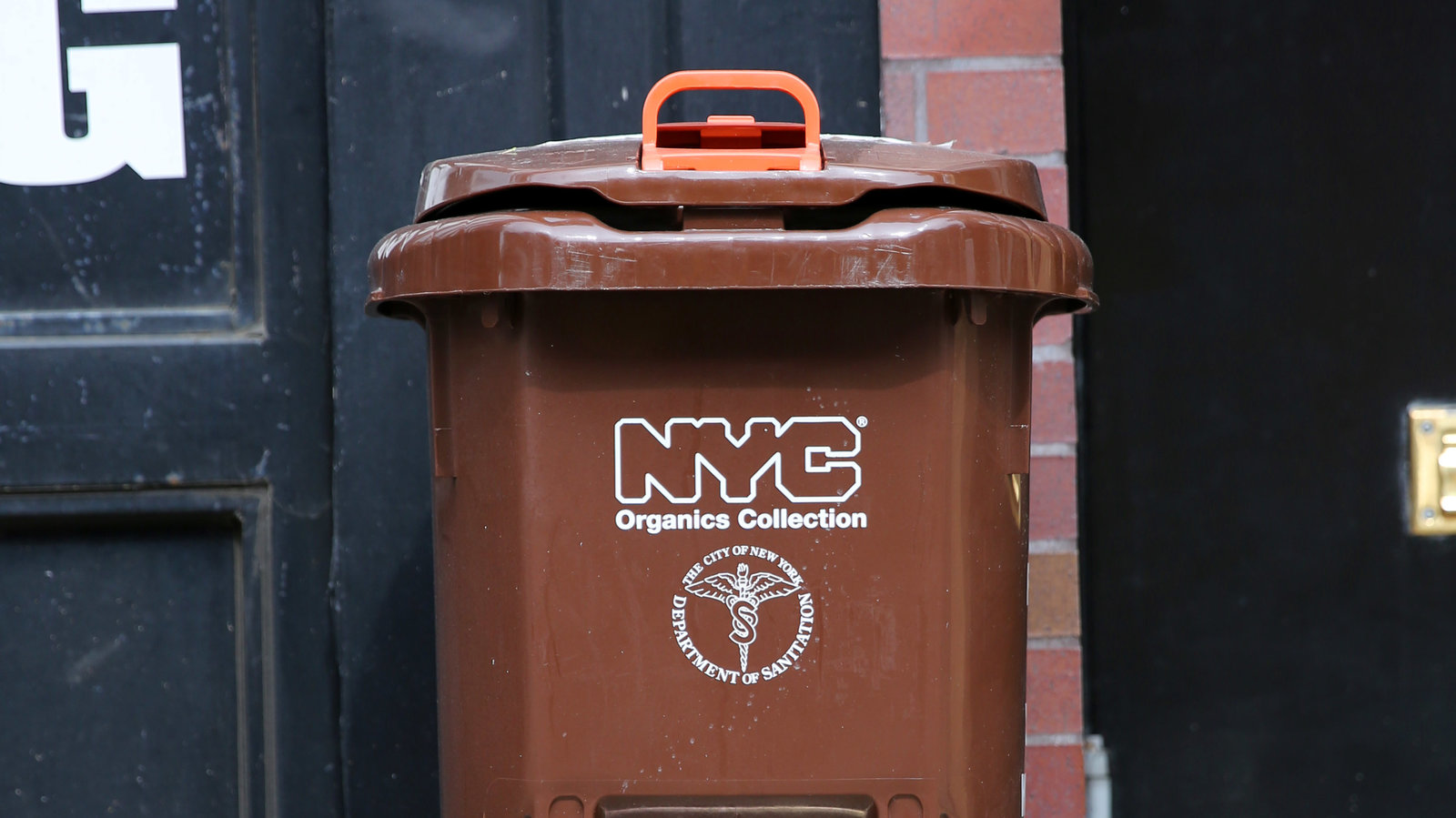
DSNY workers pick up bags of waste from the curbside several times a week. Additionally, they empty public litter bins. Street sweepers collect over 100 tons of dust, dirt, and debris from the streets daily. Commercial streets are typically swept at night or in the early morning, while residential areas are cleaned during the day. Despite this, property owners are legally required to clean the sidewalks in front of their properties, as well as the 18-inch area along the curb.
Mandatory Recycling
In 1989, New York City made recycling mandatory for residential buildings. In 2017, the city extended this requirement to businesses. The city’s primary recycling plant is the Sunset Park Material Recovery Facility in Brooklyn, which specializes in plastics, metal, and glass.
Items that must be recycled include:
- Paper and cardboard.
- Glass, metal, rigid plastics, and beverage cartons.
There are no limits on the amount of material or bags you can set out for recycling. However, be aware that there are strict rules, and violating them can result in a fine. It is strictly forbidden to put non-recyclable items in recycling bins.
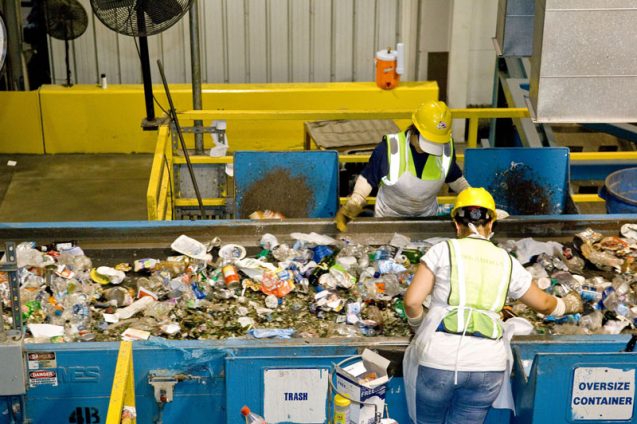
Overall, using recycled materials to produce new products saves energy and other resources, reduces greenhouse gas emissions and industrial pollution, and minimizes deforestation and ecosystem damage.
Composting: Another Piece of the Puzzle
A third of all food is thrown in the trash. From small household bins, these scraps end up in large landfills. Organic matter in landfills is a source of methane emissions into the Earth’s atmosphere. This gas intensifies the greenhouse effect and creates a fire hazard at landfills. The solution is composting, through which household organic waste can be turned into fertilizer and even soil.
The main task for New Yorkers in this effort is to bring their organic waste to the brown bins set up at the curb. If you’ve just cleaned your yard and have a lot of organic waste, it should be placed in a paper bag or a clear plastic bag and left next to the brown bins. Tree branches can also be placed alongside them. Note that this isn’t just a rule—it’s the law! Separating leaves from regular trash is mandatory in New York City. Violating waste sorting rules can result in a fine.
Items that can be composted:
- Yard waste.
- Food scraps.
- Food-soiled paper.
Do NOT compost:
- Diapers.
- Personal hygiene products.
- Animal waste.
- Wrappers.
- Non-paper packaging.
- Styrofoam products.
- Recyclables.
If there are no dedicated brown bins near your home, you can drop off your compost at one of the 250 city locations. There are two options: regular compost collection points and bright orange “smart” compost bins. Both are regularly emptied by sanitation workers. The finished compost from their contents is used to enrich green spaces throughout New York City. Regular collection points allow most fruit, vegetable, and plant waste but prohibit bones, meat, or dairy products. The “smart” bins, in contrast, allow bones, meat, and dairy, as well as food-soiled paper packaging.
It is also important to support community initiatives, particularly community gardens and resource recovery groups like Big Reuse and the Lower East Side Ecology Center. Many of these services operate food scrap drop-off points that are open to everyone, process organic waste into compost, and hold charity events. Material guidelines differ slightly depending on the program, so it’s wise to consult with your local organization before dropping off any organic waste. Most accept food scraps, eggshells, and a wide range of produce. Note that few accept meat, fish, bones, or cooking oil.