

This article explores the life of Daniel Edward Koshland Jr. — a talented scientist and a compassionate individual. Read on to learn more about his life and work on manhattanname.
Early Years
Daniel Edward Koshland Jr. was an American biochemist, born in Manhattan on March 30, 1920, to Eleanor and Daniel E. Koshland Sr. Young Daniel decided to become a scientist while in the eighth grade, an ambition sparked by reading books like “Arrowsmith” and “Microbe Hunters.” He attended the Phillips Exeter Academy, a preparatory school, and later graduated from the University of California, Berkeley, with a degree in chemistry.
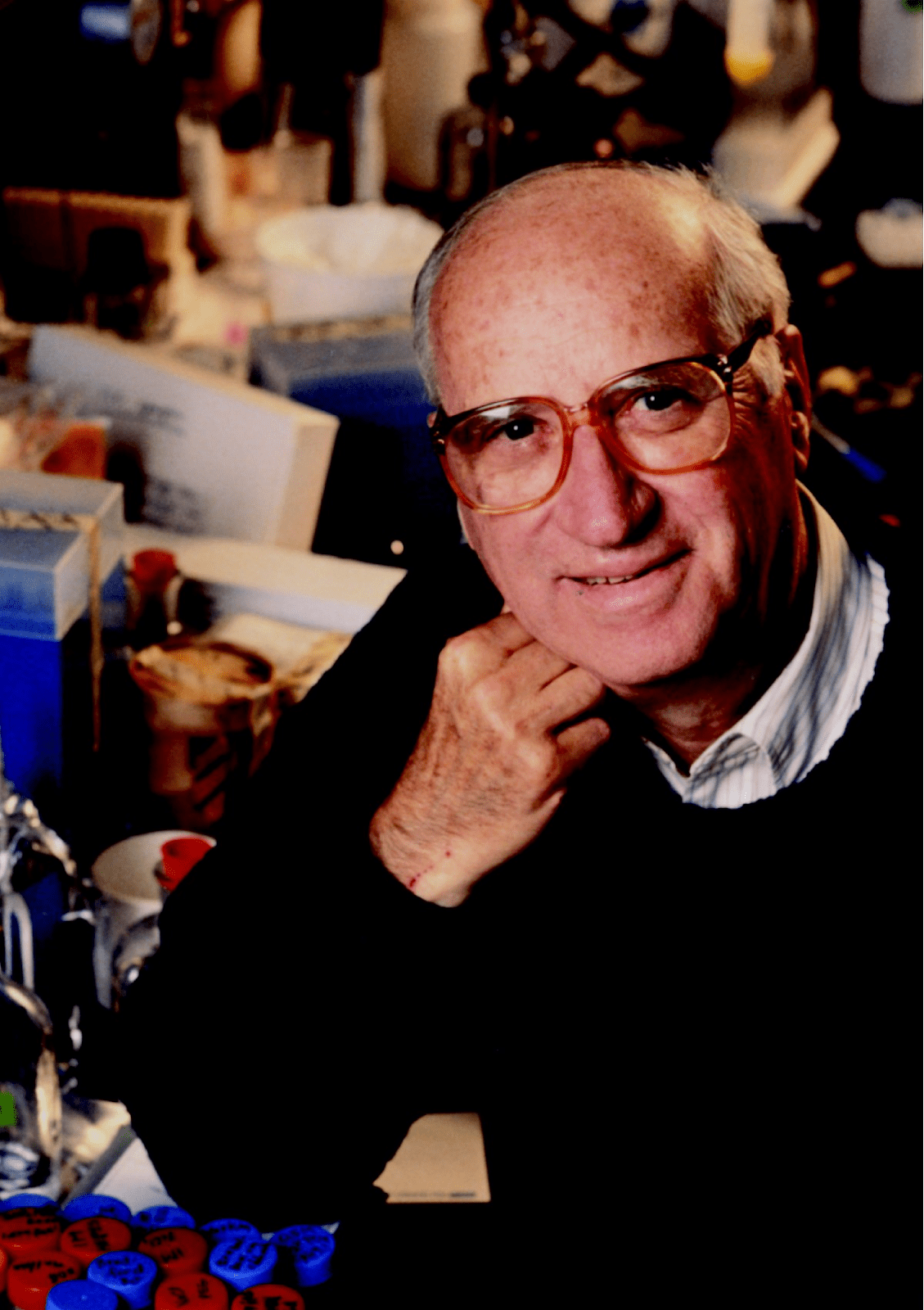
A Distinguished Scientific Career
After completing his studies, Koshland joined the Manhattan Project. There, he led a team that successfully purified plutonium. When the war concluded, he pursued graduate studies at the University of Chicago. He subsequently moved to Long Island, dedicating himself to the study of enzyme kinetics. During this period, Daniel also investigated the chemical modification of a serine residue to cysteine within the active site of subtilisin.
In 1965, Koshland returned to the University of California, Berkeley, as a professor in the Department of Biochemistry. A year later, he published a significant paper titled “Comparison of Experimental Binding Data and Theoretical Models in Proteins Containing Subunits.” Throughout the 1970s, Koshland and his laboratory focused on understanding how cells receive and interpret signals. In the years that followed, his lab members unraveled much of the biochemistry behind the receptor protein methylation involved in this process. Later, Daniel Edward Koshland Jr. discovered that variations among bacterial cells could arise from random fluctuations in systems involving a small number of molecules. In 1984, he explored the concept of “ultrasensitivity.”
Koshland became chairman of Berkeley’s Department of Biochemistry in 1973. In the 1980s, he undertook the monumental task of reorganizing Berkeley’s biological sciences faculty. He consolidated over ten small departments, comprising two hundred faculty members, into three larger ones. Many experts deemed this reorganization impossible, but Koshland successfully implemented these crucial changes. In 1985, he took the helm as editor-in-chief of the prestigious journal Science, a position he held for approximately a decade. He is remembered as an innovative and gifted leader at the publication, having introduced reforms that significantly enhanced its standing. He recruited highly qualified Ph.D. editors and expanded the coverage of science news and policy. Koshland himself penned over two hundred editorials, many presented in a distinctive dialogue format. Alongside these responsibilities, he published over one hundred scientific papers detailing the research from his beloved Berkeley laboratory. Remarkably, this extensive workload never detracted from his own scientific pursuits.
It’s noteworthy that Daniel Koshland inherited considerable wealth but remained deeply committed to science and lived modestly. He was widely regarded as an exceptionally intelligent, kind, honest, shy, and generous individual. His philanthropic efforts supported the establishment of numerous museums, colleges, and other institutions. The distinguished scientist passed away on July 23, 2007, at the age of 87.
Personal Life
Daniel’s first wife was Marian Elliott, the daughter of Danish immigrants and a fellow professor at Berkeley. The couple had five children: Ellen Koshland, James Koshland, Gail Koshland, Douglas Koshland, and Phyllis “Phylp” Koshland. Marian passed away in 1997. In 2000, Koshland married Yvonne Cyr San Jule, who had four children from previous marriages.