

This article explores a renowned natural history museum that captivates with its sheer scale, both in its physical space and its collections. Discover more about the founding, evolution, and current standing of the American Museum of Natural History on manhattanname.
The Founding
The American Museum of Natural History (AMNH) is a prominent natural history museum located on the Upper West Side of Manhattan.
The vision for the museum originated with American naturalist Albert Smith Bickmore in 1861. He believed New York City was the perfect place for a natural history museum. For years, Bickmore tirelessly championed this idea, seeking support from influential figures. The need for such a museum became even more pressing after Barnum’s American Museum, located at the corner of Broadway, burned down in 1868. As a result, in 1869, New York Governor John Thompson Hoffman signed a bill authorizing the museum’s establishment. Following this, a Board of Trustees was formed to manage the project. Initially, all natural history specimens were housed in the Arsenal building in Central Park. This initial collection included birds, fish, reptiles, various fossils, mammals, and insects, among other items. The AMNH opened on May 22, 1871, and it quickly became a popular attraction. Within its first nine months, the institution attracted nearly 900,000 visitors—a remarkable figure, typically seen only by renowned museums at the time.
Constructing a Home and Growing an Institution
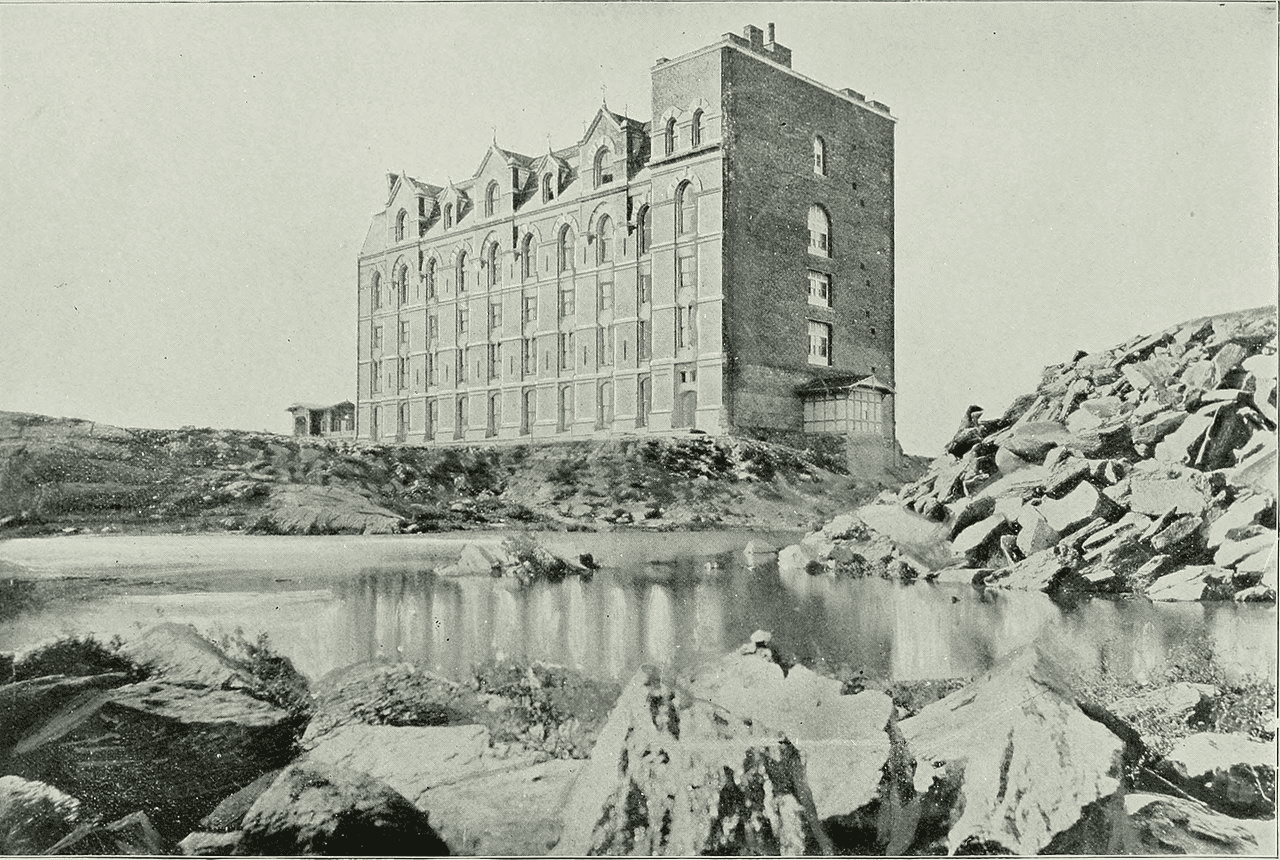
Subsequently, planning commenced for a dedicated building on Manhattan Square. This site was delineated by Eighth Avenue (now Central Park West), 81st Street, Ninth Avenue, and 77th Street. Funds were raised for construction. A ceremonial cornerstone was laid in early summer 1874, with the official opening of the American Museum of Natural History’s new home taking place in winter 1877. During the 1880s, the museum welcomed the general public from Wednesday through Saturday, while Mondays and Tuesdays were exclusively for members. It’s worth noting that throughout the 19th century, the AMNH steadily grew, continually adding new collections and hosting various public events. In 1890, renovation and expansion work was carried out on the museum building. However, even after this addition, space for the ever-growing collections remained critically insufficient. Consequently, in 1894, plans were initiated for an additional eastward-facing wing, which was completed the following year. In 1895, construction also began on a west wing. The mammal hall opened in 1896, and the collection, in general, continued to grow. Further expansion work on both the west and east wings continued.
The 20th Century: Enhancements and Expansion
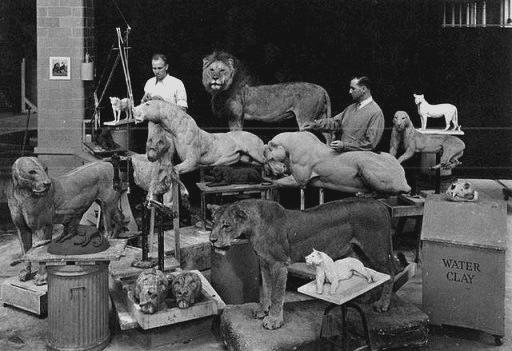
In 1900, a new lecture hall with seating for approximately 1,500 people was opened. In the 1900s, the museum also intensified its focus on collection growth, sponsoring various expeditions to places like China, Cascadia, Mexico, and beyond. During this period, the firm Roche Dinkeloo undertook extensive planning work for the museum. An eight-story library was soon constructed, and the institution underwent significant exterior and interior renovations.
The Museum Today
In 2014, the museum unveiled ambitious plans for a 195,000-square-meter (approximately 2.1 million square feet) addition: the Richard Gilder Center for Science, Education, and Innovation. Starting in 2016, reconstruction and expansion efforts were once again underway. Certain sections of the structure, specifically those built between 1874 and 1935, were demolished to make way for the new development. The Gilder Center opened in spring 2023, and during this debut period, the natural history institution attracted approximately 2 million visitors.
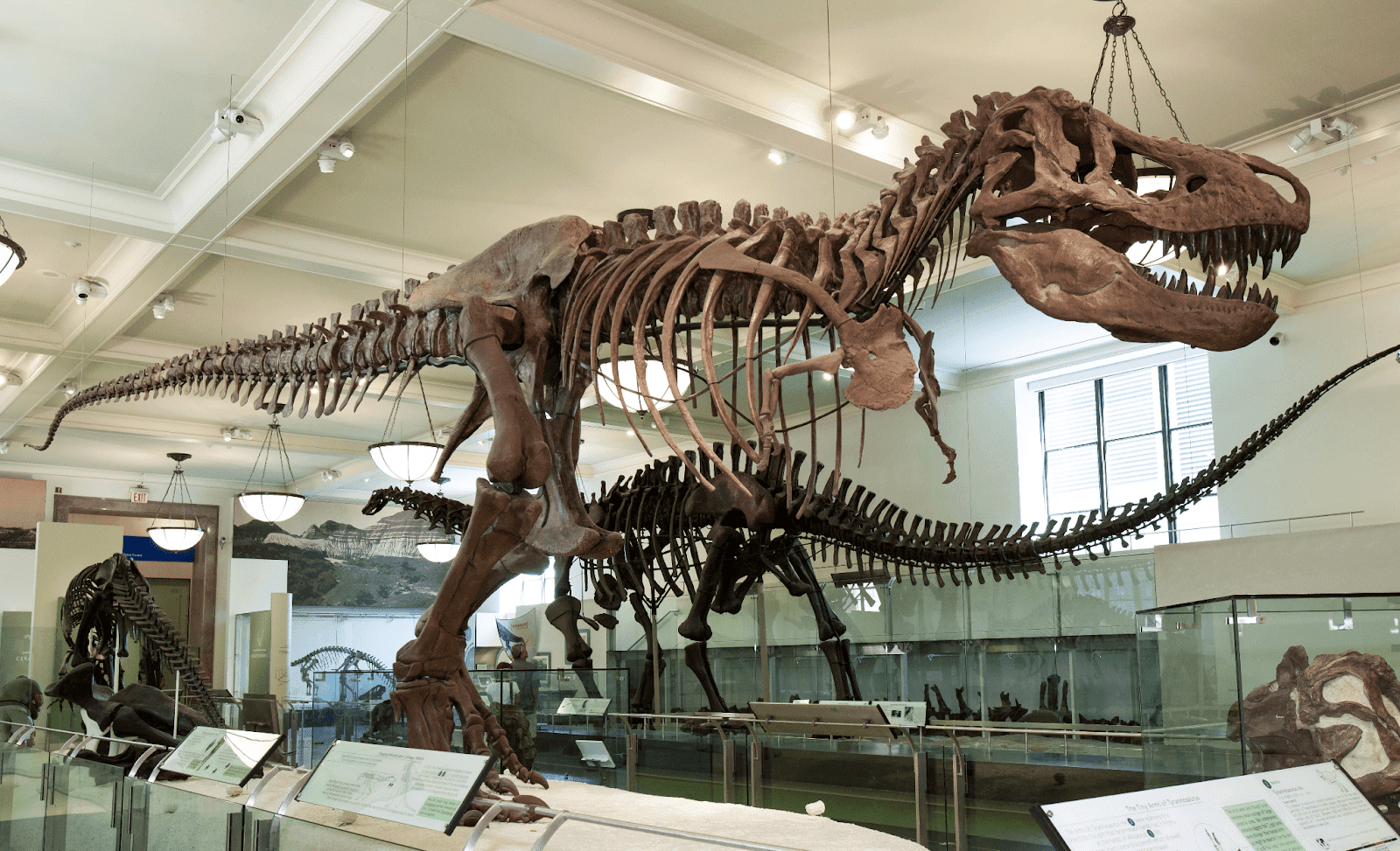
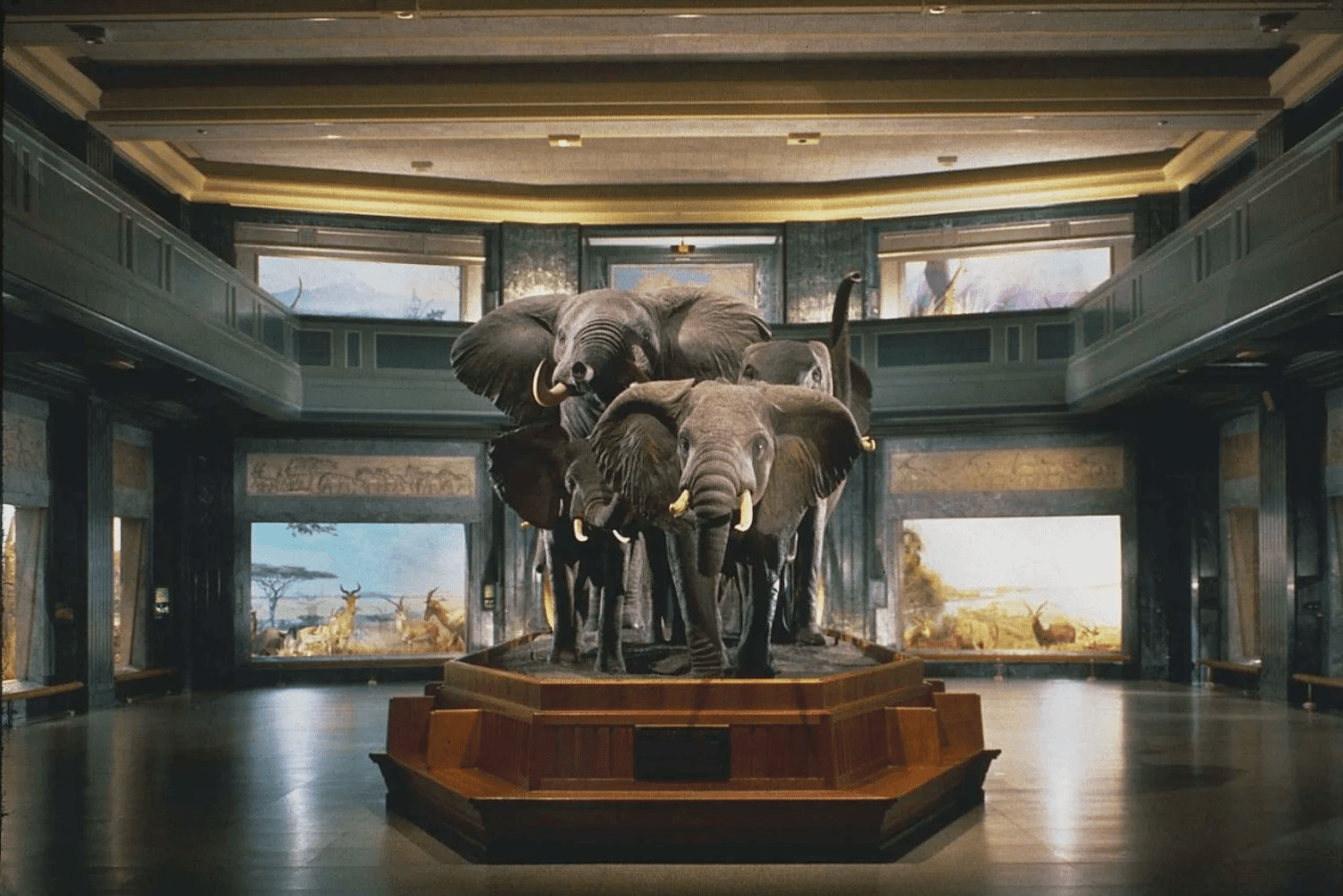
Notably, the contemporary American Museum of Natural History (AMNH) covers an area of approximately 233,000 square meters (around 2.5 million square feet). It boasts forty-five permanent exhibition halls, alongside a library and a planetarium. Its halls contain around 32 diverse natural specimens, including items such as human cultural artifacts, minerals, rocks, meteorites, plants, animals, fungi, fossils, human remains, frozen tissues, and much more. Each year, the museum welcomes approximately 5 million visitors.