

Most buildings in Manhattan rely on steam radiators as their primary heat source. How did steam boilers and radiators become so crucial to the borough’s infrastructure, and why are these systems still in use today? How was Manhattan heated before their arrival, and what other heating methods exist here? Read on at manhattanname to learn more about the heating history of New York City, and Manhattan in particular. Read more on manhattanname.
It All Started with Wood
In its early days, densely forested America was heated using biomass (wood). In 1742, Benjamin Franklin invented a cast-iron stove suitable for home heating. After this, most homes in the area were warmed by derivatives of the Franklin stove and wood-burning brick fireplaces. Wood remained the primary fuel for fireplaces and stoves until 1885, when coal use became widespread.
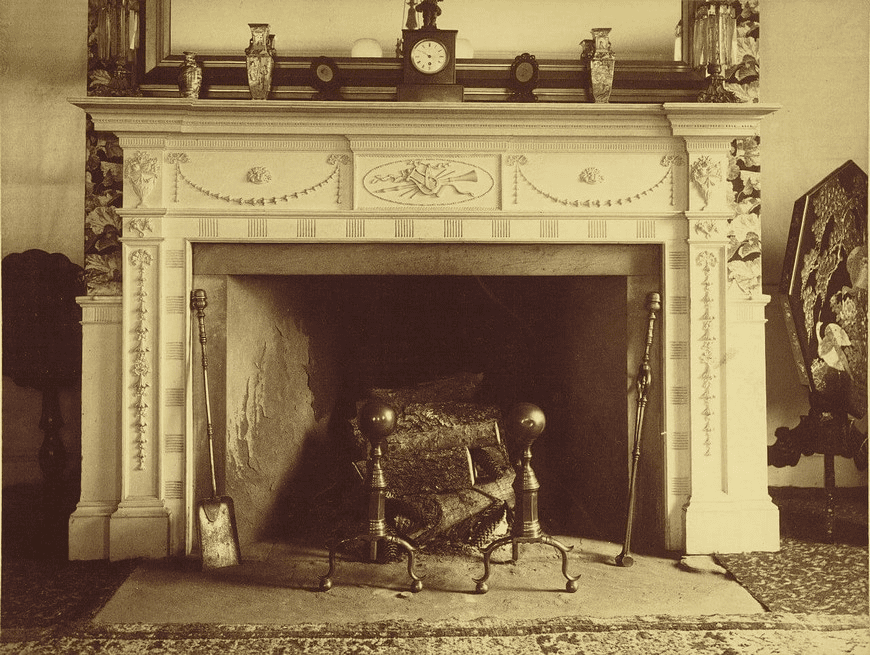
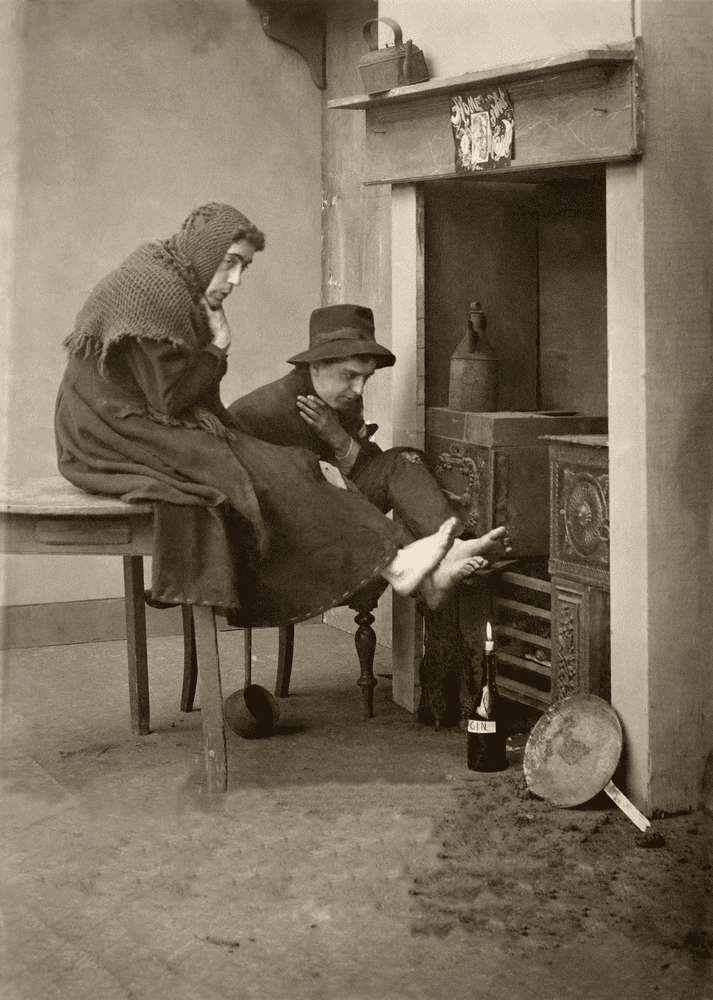
For much of the year, lighting and ventilation were bigger concerns than heat in crowded, windowless rooms. An 1865 survey of New York City housing showed that stoves were common in the homes of both middle and lower-class residents. In one residential area of modern-day SoHo, Manhattan, it was found that stoves and kerosene were the primary means of heating and lighting in apartment buildings, with gas used sparingly. While residents of private homes also relied on stoves for heat, gas was a more common lighting method for them.
The Steam Age
The first true steam boiler emerged in the 17th century as inventors and engineers realized steam’s practical potential. In 1679, Frenchman Denis Papin designed and built the first steam boiler equipped with a safety valve. Throughout the 18th century, wrought iron steam boilers rapidly spread across various industries. Later that century, a shift to steel alloys occurred as manufacturers recognized the benefits of higher pressures and temperatures. The steam boiler didn’t make its way to the U.S. until the 19th century. George Babcock and Stephen Wilcox, founders of the New York-based company Babcock & Wilcox, are credited as the country’s first steam boiler manufacturers. They invented a hand-fired, coal-based design using firebrick.
In 1855, Prussian businessman Franz San Galli invented the first heating radiator in St. Petersburg, Russia. Soon, cast iron radiators became fashionable worldwide, especially in large European cities and the northeastern United States. Radiators work on the principle of convection, transferring heat from a hot medium to the room.
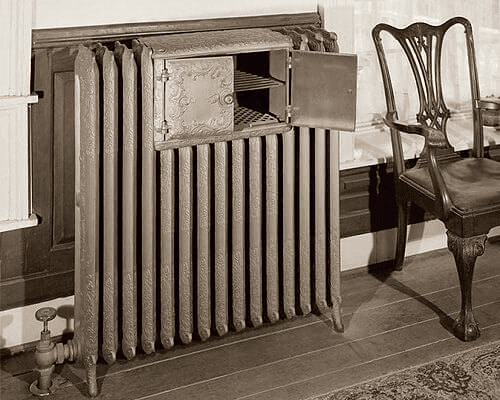
After the U.S. Civil War, the use of steam boilers and radiators in American homes significantly increased. These 19th-century inventions meant families no longer had to huddle around fireplaces or stoves to stay warm. New York City embraced these innovations, actively adopting steam for heating buildings. Residential structures installed their own boiler systems to supply steam to residents. For public buildings in Manhattan, steam plants were installed underground – a practice that continues into the 21st century.
Steam heat proved highly effective for warming everything from robber baron mansions to brownstones. However, a new challenge emerged in the early 20th century. Bent-tube and steel systems could deliver high-pressure steam, but not the low-pressure steam better suited for heating rooms. Durable cast iron boilers solved this issue, though they were heavy and difficult to repair.
In 1918, the Spanish flu devastated the country, including New York City. While people didn’t know much about viruses then, they understood that fresh air helped prevent illness. Consequently, apartments had to be equipped with radiators powerful enough to maintain warmth even with windows wide open in the dead of winter. This explains why many New Yorkers find their apartments too hot. Since there was little need to replace these old yet powerful radiators, they remained in homes into the 21st century. However, new technology has emerged that allows these radiators to be adjusted to better meet modern needs.
In the post-war period, tubular systems became widespread. After the 1973 oil crisis in the U.S., the focus shifted to condensing boilers, which emit less heat and are characterized by minimal energy consumption and low standby losses.
In modern Manhattan, boilers can run on natural gas, oil, electricity, or even wood. Similarly, furnaces also operate on various fuels, including natural gas, electricity, oil, and propane.
Electric Heating
In 1883, Thomas Edison invented the electric heater. With the advent of modern appliances like heat pumps and carbon heaters, electric heating began to compete with other systems. It became particularly relevant as fossil fuel prices rose.
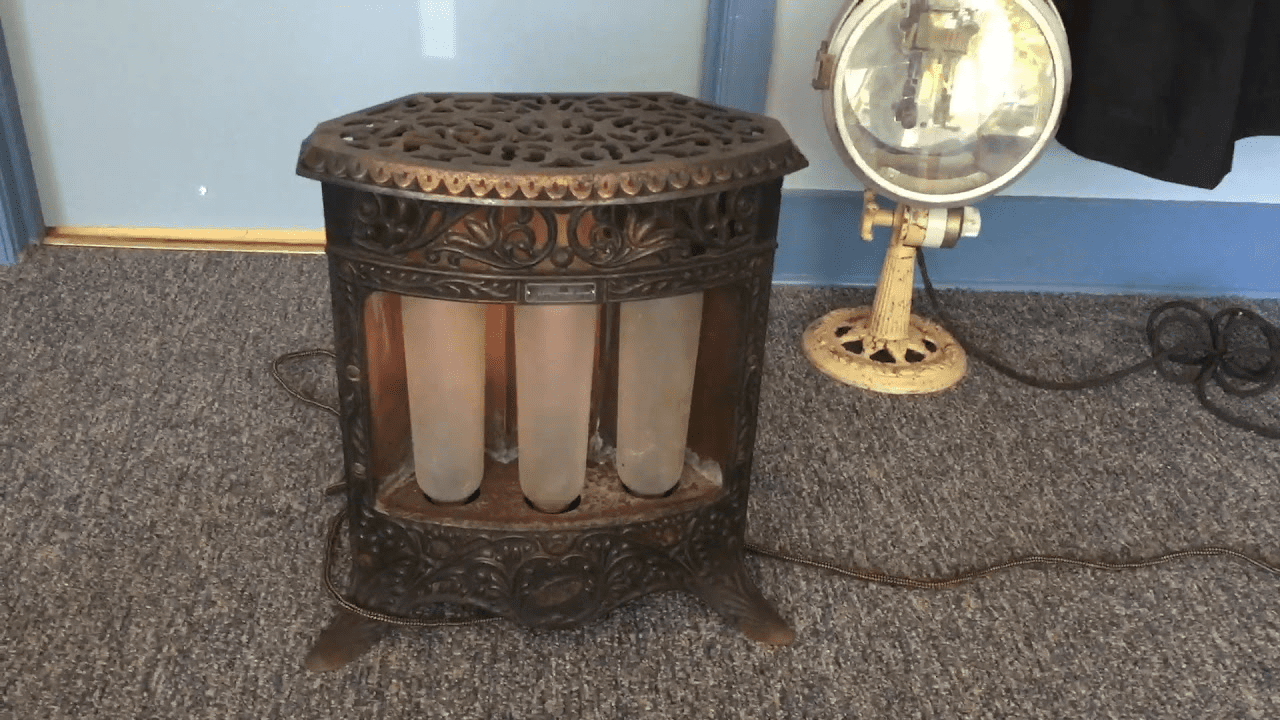
Electric heating offers several advantages: no combustion byproducts or environmental pollution; simple and quick installation of wiring and heating devices; lower capital costs; compact heating units; and flexible, easily automated controls. On the downside, these systems can place a high load on the electrical grid, and conventional electric heaters often have low energy efficiency, although this is less true for modern electric heating types.
The heat pump is one of the most popular types of heating equipment in Manhattan. Heat pumps can run on electricity, and some advanced models use geothermal energy. They typically produce three to four times more heat than the energy they consume. Another advantage is their cooling function in the summer, making heat pumps a versatile option for year-round climate control.
Central Heating Systems
In 1919, Alice Parker, an African American woman from New Jersey, invented the first central heating system. This was a true revolution, as previously, entire buildings couldn’t be heated by a single source. Parker changed how homes were heated and ushered in a new era of comfortable living. In the early 20th century, Americans began using furnaces as their primary heat source, considering them a safer alternative to steam heating.
By the mid-20th century, Manhattanites had several heating options for their homes. These included boilers and furnaces running on oil, propane, natural gas, and electricity; heat pumps using electric and geothermal energy; heaters powered by electricity, propane, or kerosene; and various types of fireplaces and wood stoves. In the 1990s, Americans also began using solar panels for heating purposes. Modern home heating systems are quiet, efficient, and automatic, utilizing a variety of fuel sources like electricity, gas, oil, and wood.