Did you know that New York is the third-largest wine-producing state in the US? While California leads the pack with over 80% of the nation’s wine production and Washington holds the second spot at 5%, New York contributes a respectable 3% to 4%. The state is home to 400 wineries that collectively produce more than 28 million gallons of wine annually. Thanks to its unique climate and fertile soil, New York has become a hotbed for innovative winemaking, with a growing number of vineyards and wineries concentrated in several key regions. The state’s winemaking journey has come a long way since its early days, and we’ll delve into its fascinating history right here on manhattanname.com.
Early Beginnings
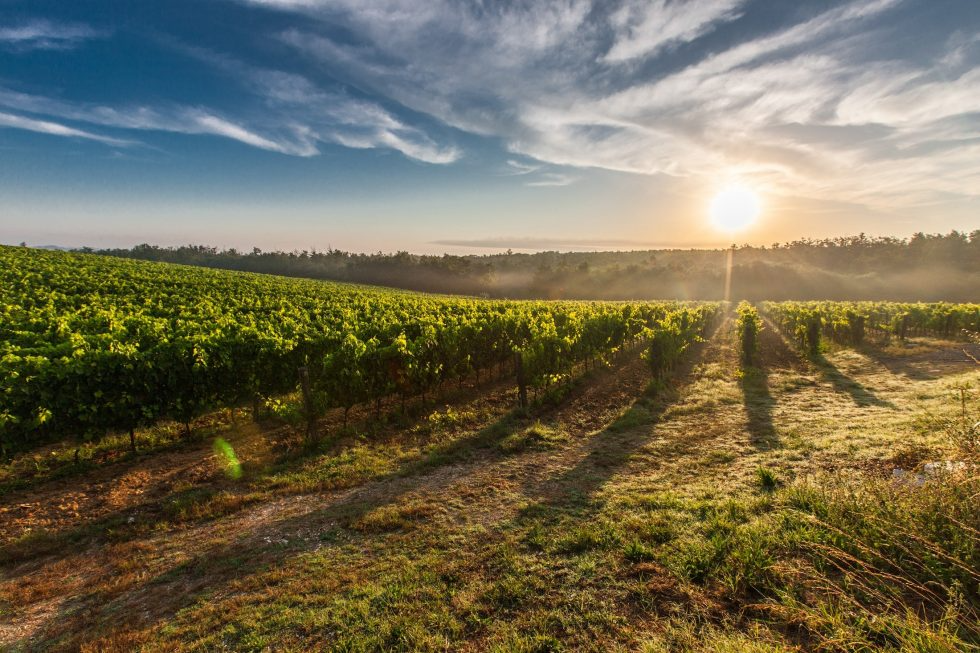
The story begins in the year 1000 when Leif Erikson and his crew explored Vinland and discovered native grape varieties along the northeastern coast of North America—an area that would later become New York. An early attempt to make wine from these wild grapes was unsuccessful. In the 1660s, Dutch and French settlers tried to plant European Vitis vinifera vines, hoping to start wine production in their new home. However, the harsh climate and environmental conditions in regions like New York proved too severe for these delicate vines, and they failed to thrive.
In the 1860s, American grape varieties were sent to Europe for study. Unbeknownst to the Europeans, the American rootstock was infected with a root louse known as Phylloxera Vastatrix. This tiny pest attacked and fed on the roots of European vines, which lacked the thick bark that protected their American counterparts. The result was a devastating plague that decimated European vineyards for decades. To combat the crisis, winemakers joined forces and grafted European vines onto American rootstock—an experiment that proved to be a boon for American winemakers, especially in New York.
It’s worth noting that the first vines were planted in the Hudson Valley in the 1670s, near Manhattan. By the 19th century, New York had become one of the country’s top wine producers. The mid-1800s were a golden age for New York’s winemaking industry, with major vineyards emerging in the Finger Lakes and Long Island. The Finger Lakes region, in particular, became the largest winemaking hub thanks to the unique microclimate created by its deep lakes. By the late 19th century, it was the epicenter of winemaking, with dozens of wineries in operation.
On March 15, 1860, an investment group led by Charles Champlin founded the Pleasant Valley Wine Company. At the time, the winery specialized in producing wines from native Catawba and Isabella grapes. By 1865, the company had begun producing champagne and sparkling wines.
Prohibition and the Rise of a New Era
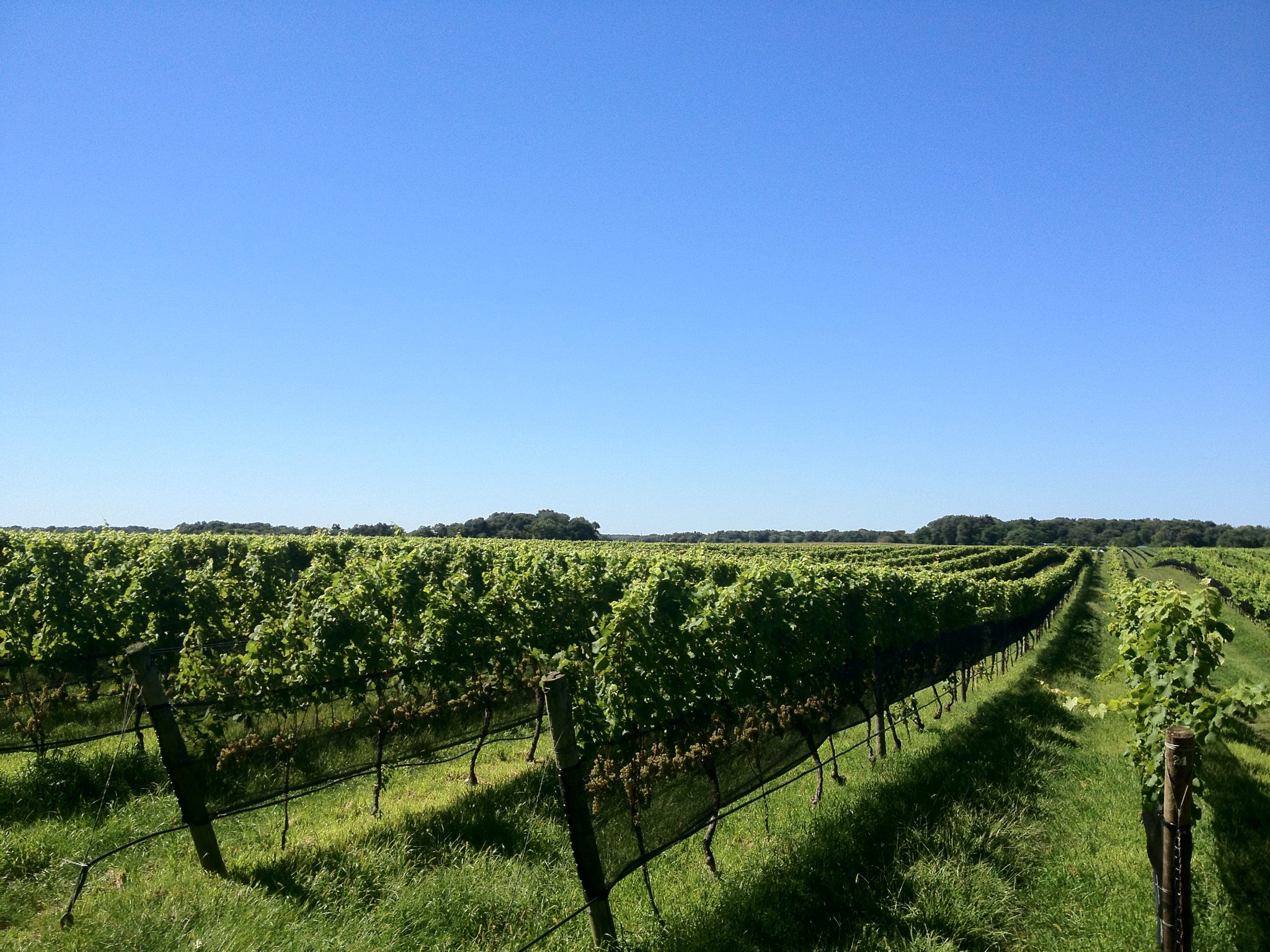
The industry faced a serious downturn in the early 20th century with the introduction of Prohibition in 1920. The ban on alcohol production and sales lasted until 1933, and many wineries were forced to close during this period. After the controversial law was repealed, wineries struggled to regain their footing, as the industry had been severely weakened by years of inactivity.
In the 1970s, the winemaking industry in New York State began to experience a renaissance. A new generation of winemakers emerged, actively experimenting with different grape varieties and innovative winemaking techniques. This revival gained momentum with the passage of the New York State Farm Winery Act of 1976, which laid the groundwork for the business’s development. Since then, the winemaking industry has experienced a boom, especially on Long Island, where the new law made it easier for the region to participate in the industry.
The New York State Farm Winery Act allowed state wineries to open production facilities without owning a vineyard. It also permitted them to purchase grapes, even from outside the state, and transport them to the winery for bottling and preparation for sale. This new law helped New York wines gain international acclaim, bringing in an estimated $14 billion in annual revenue. Today, the largest vineyards are located in the Finger Lakes, Hudson River, and Long Island regions, with each area’s unique environmental conditions shaping the flavor and quality of its wines.
Overall, New York’s winemaking industry continues to thrive as winemakers experiment with new technologies and grape varieties, and consumers around the world discover the unique and diverse wines produced in the region.
Tradition and Innovation at the Manhattan Vineyard
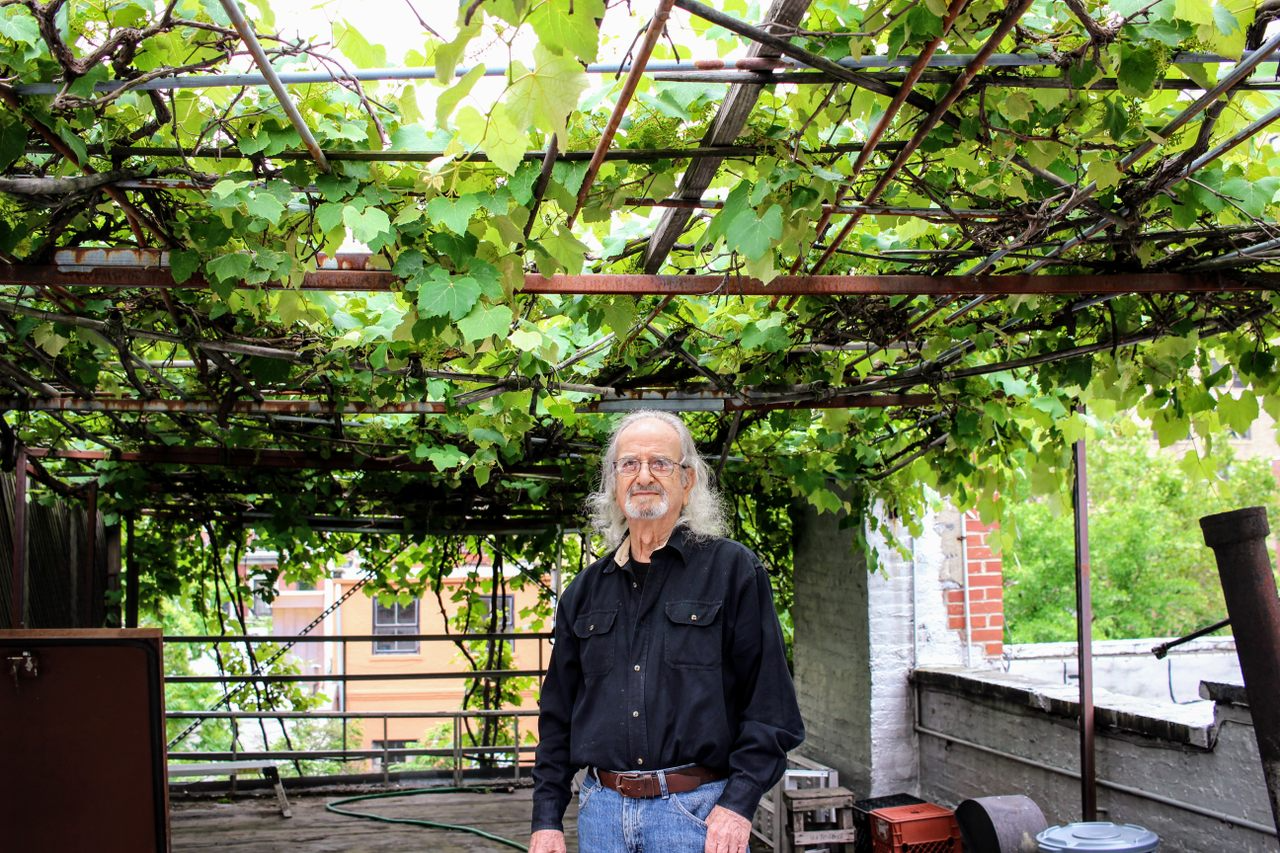
Latif Gigi, born to an Iraqi-Jewish family in Basra, was the youngest of five siblings and the first in his family to pursue higher education. In 1947, he moved to the US and enrolled at Hope College in Michigan before transferring to the Massachusetts Institute of Technology. After graduating, he earned his doctorate in mechanical engineering from the University of Michigan.
Latif Gigi maintains the only modern-day vineyard in Manhattan, located on the roof of his Upper East Side brownstone. It began with a single vine and another grown from a cutting of that same vine, and it now stretches across four floors of his home. In 1967, Latif and his wife moved to Manhattan, and in 1985, they opened a family winery where they make wine for friends and family. While Gigi’s rooftop also hosts cherry trees and Japanese maples, the real star is the grapevine. Weaving its way up from the ground, it climbs the back wall of the house in a 50-foot journey to the roof, where it extends another 50 feet along a trellis.
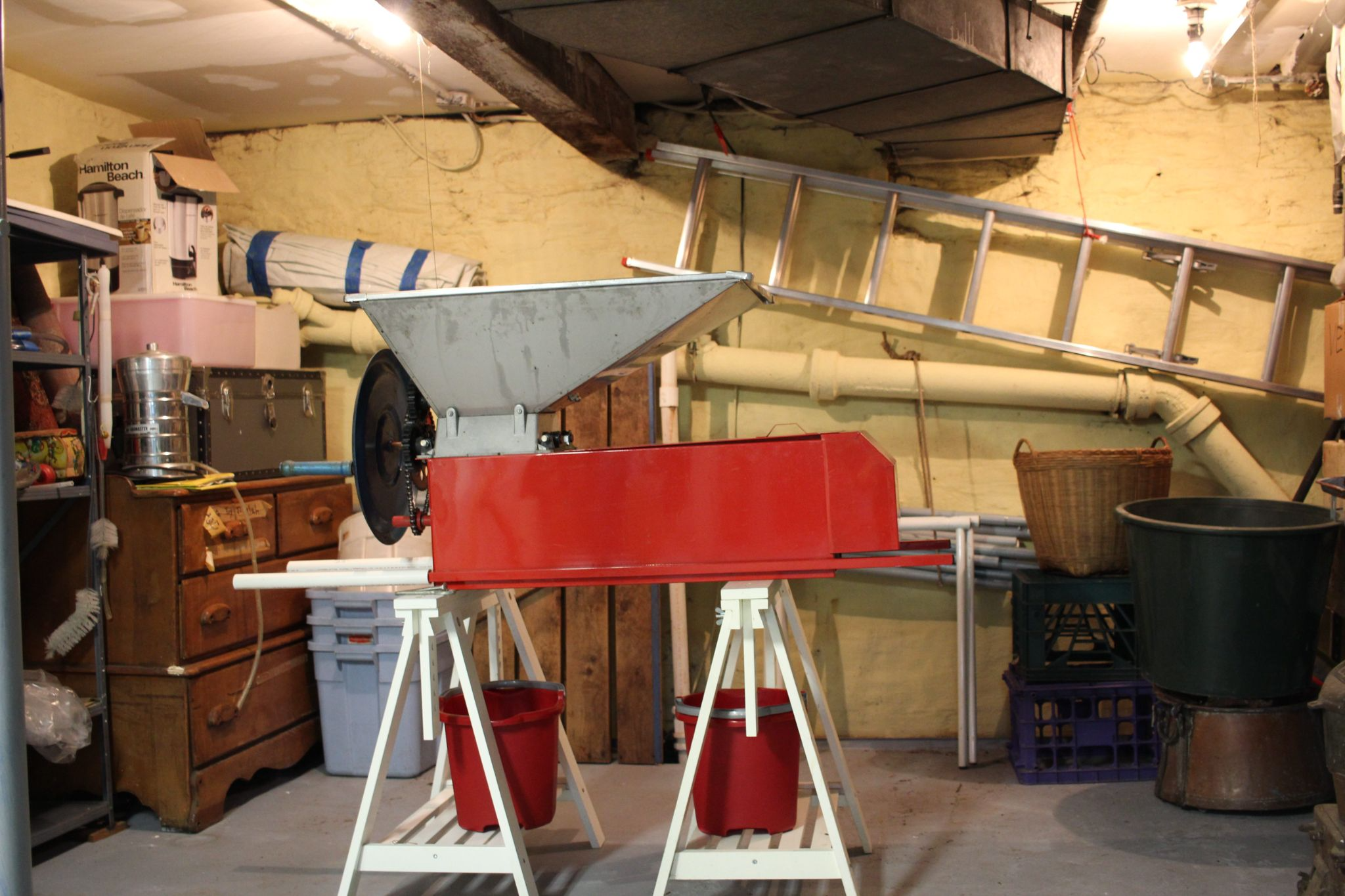
The family vineyard’s story began in 1977 when Gigi planted a single vine he purchased from a local nursery. The first harvest came in 1984, yielding 11 kilograms of Niagara grapes—not enough for wine production. But in 1985, Chateau Latif—the name coined by Latif’s wife, Vera—was officially in business.
Latif keeps a notebook where he meticulously records the yearly harvest and the crew members who have helped him over the years. The first year, the harvest was a team effort between him and one of his daughters. However, the entire family usually participates in the demanding work, typically on a weekend in late August or early September.
Choosing the harvest date requires precision. Starting in August, Gigi tracks the sugar content of the grapes, taking samples from different sections of the vine. He’s found that the sweetness of the berries varies depending on their location, with the ones farthest from the roots being the sweetest. Every few days, he charts the average sugar content, extrapolating the date by extending a curve that reflects the gradual increase in sweetness.
Harvest day is the most difficult. Friends join the Gigi family, and Latif assigns duties to his crew: harvesting, weighing, and washing the bunches. Over the nearly 35-year history of the winemaking operation, Gigi has installed a pulley system on the roof to lower the baskets of grapes into the backyard. The largest harvest on record was a stunning 712 pounds of grapes.
After the juice is extracted, it is poured into five-gallon glass carboys for fermentation. A few weeks later, once the juice has fermented and turned into alcohol, the carboys—sealed with airlocks—are left to age in a climate-controlled cabinet designed by Gigi himself.