Over the past few years, climate change has started to take a toll on the quality of life for New Yorkers. In response, city officials have launched a large number of programs and initiatives to improve the situation. We’ll delve into how Manhattan is tackling climate change on manhattanname.com.
Key Measures in the Fight Against Climate Change
Manhattan is fighting climate change through wide-ranging citywide initiatives and targeted local actions. The borough is actively working to reduce greenhouse gas emissions by boosting building energy efficiency, developing a sustainable transportation system, and addressing environmental justice issues in vulnerable communities.
Some of the most critical measures include:
- Universal Curbside Composting. This massive citywide initiative now covers all five boroughs, including Manhattan. It aims to divert food and yard waste from landfills, which in turn helps reduce the borough’s carbon footprint.
- Planting More Trees. To make New York City a more resilient, equitable, and healthy place, the city decided to plant and restore a large number of trees, which are a key weapon in the fight against climate change. Since the city’s tree canopy is unevenly distributed, some areas have long enjoyed the benefits of extensive tree cover. From January 1, 2023, the city has made significant progress in planting new trees. The New York City Department of Parks and Recreation reported that in Manhattan alone, nearly 1,200 new street trees have been planted, with about 800 more planned for the near future.
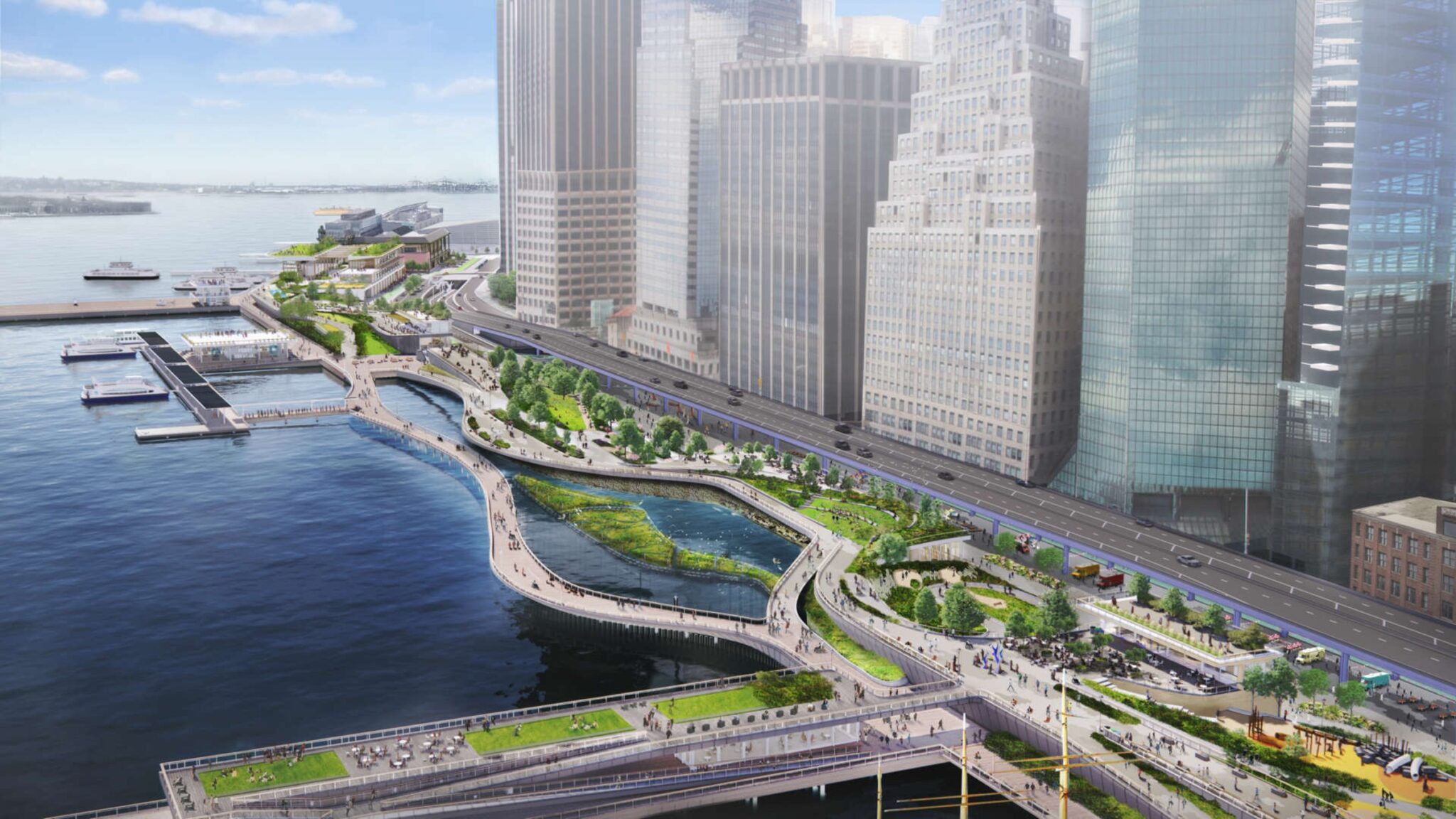
- Lower Manhattan Coastal Resiliency. With over 500 miles of coastline, New York City is extremely vulnerable to rising sea levels and powerful storms. Climate scientists have estimated that by 2050, the sea level will rise by 11–21 inches, and climate change will increase the frequency and intensity of coastal storms. In response, the government has developed a plan to fortify the shoreline.
- Sustainable E-Commerce. The sharp rise in online shopping, fueled by the pandemic, has led to 2.4 million packages being delivered daily to homes and businesses across the five boroughs, with Manhattan having the highest concentration. This unregulated delivery system exacerbates traffic, air pollution, and safety issues, impacting quality of life and getting worse every year. The city has developed a plan that offers a range of practical recommendations to make e-commerce deliveries more sustainable, safe, and efficient. These recommendations include expanding the use of electric cargo bikes instead of trucks, creating dedicated curbside loading and unloading zones in each neighborhood, and increasing enforcement of parking violations.
Green Roofs Sprout from Chelsea to Midtown
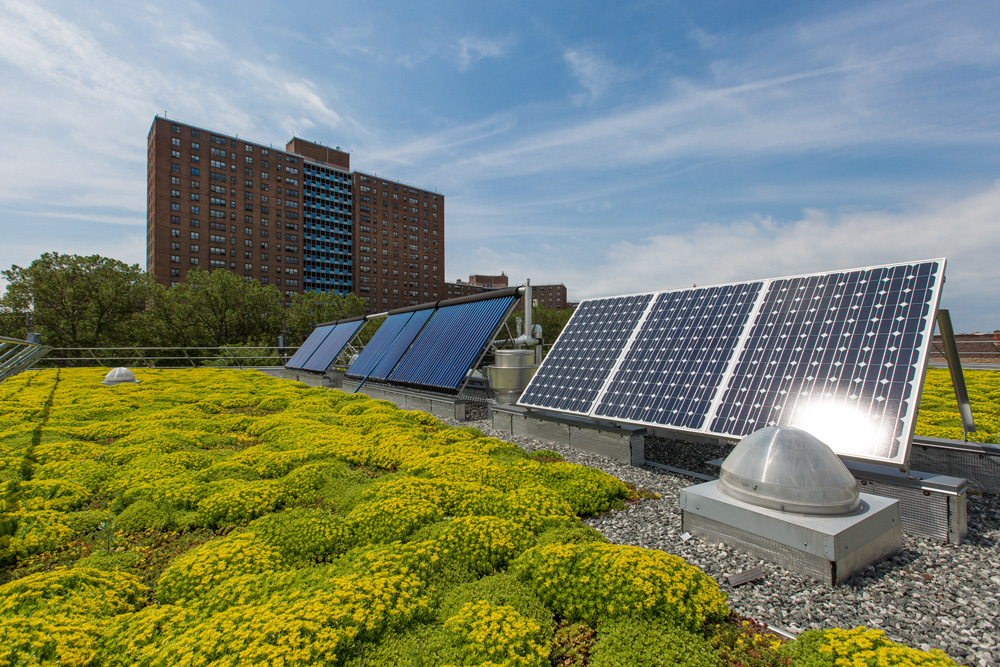
Amidst Manhattan’s skyline of steel and glass, something new is taking root: green roofs. These patches of vegetation atop buildings are not just aesthetic additions but a tactical response to global warming. With more than 1.6 billion square feet of potential rooftop space across New York City, a significant portion belongs to Manhattan. Local laws 92 and 94, passed in 2019, require sustainable roofing for new constructions and major renovations, while tax breaks make retrofitting more attractive. In Manhattan, where 20% of the borough’s area is covered by roofs, the potential is vast. According to industry statistics, by the end of 2022, the borough had 736 green roofs, with most concentrated in affluent areas like Midtown and Downtown. These five projects demonstrate why this concentration is so important and how it’s evolving.
Cooling the Concrete Jungle
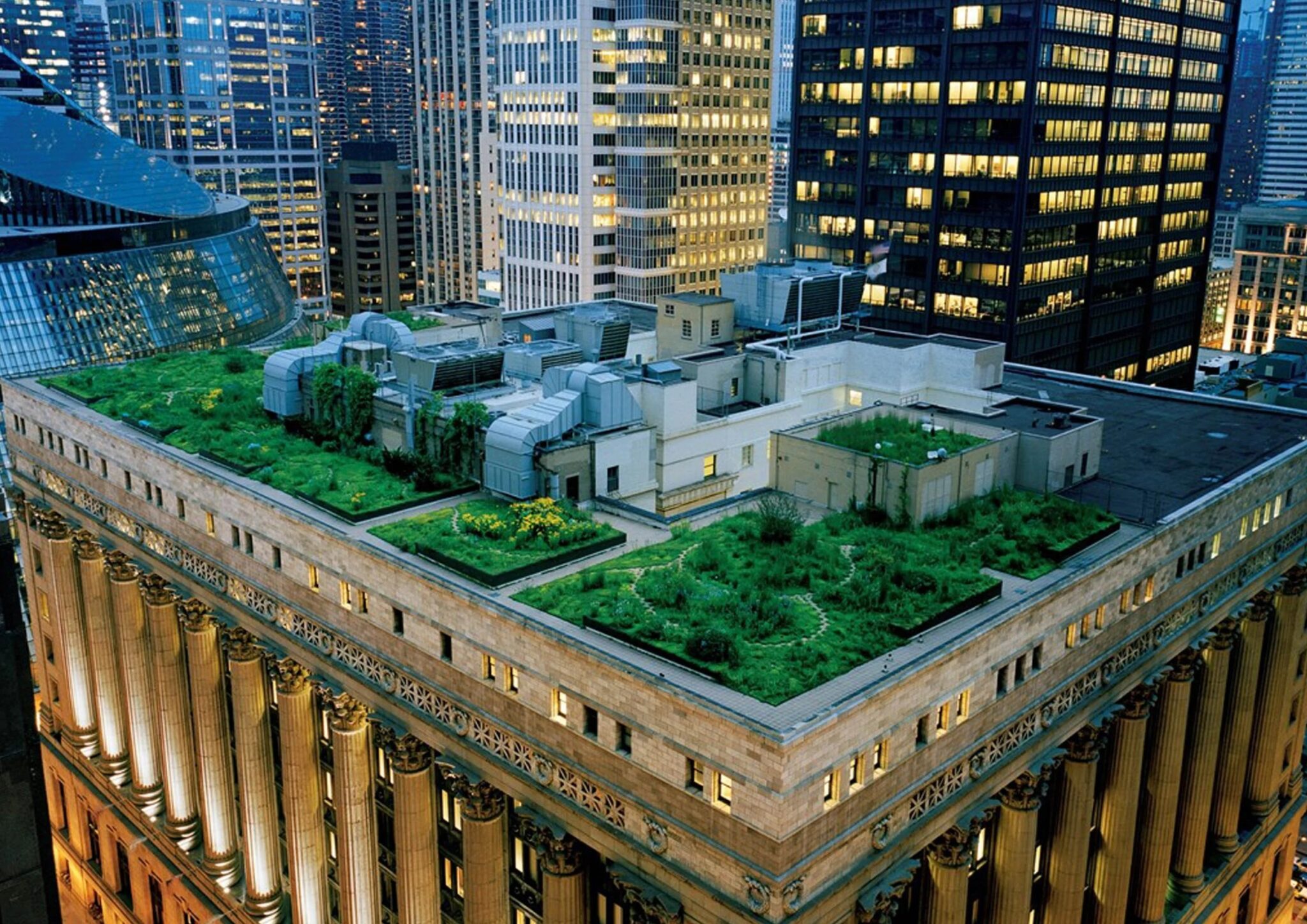
The Javits Center in Hell’s Kitchen boasts a 6.75-acre green roof, one of the largest in the U.S. since its installation in 2014. Covered in sedum, a frost-resistant succulent, it slashes the building’s energy consumption by providing insulation against summer heat and reducing cooling costs by up to 25%. It also captures 7 million gallons of stormwater annually, easing the burden on the city’s sewage system. In a neighborhood where asphalt intensifies heat, the roof cools the surrounding environment by an average of 5 degrees, a small but effective solution to the urban heat island effect.
Pier 57 in Chelsea is redefining waterfront real estate. Its 2.5-acre rooftop, which opened to the public in 2023, combines native plants with public walkways. Beyond its function as a public space, the roof absorbs 80% of rainfall, reducing runoff into the Hudson River. In the summer of 2022, sensors recorded the roof’s surface as being 30 degrees cooler than nearby asphalt roofs, proving the power of greenery in a heat-prone area.
Farms, Towers, and Bird Habitats
Brooklyn Grange’s 1-acre Manhattan farm is located on a Midtown office building rooftop, combining practicality with sustainability. Since 2021, the farm has grown over 50,000 pounds of greens annually, from kale to tomatoes, selling produce to locals. Its soil absorbs up to 90% of stormwater, which proved to be a lifesaver during heavy rains in 2024. Bees from local hives pollinate plants across the borough, demonstrating how rooftops can feed both people and wildlife.
In 2023, a 17,000-square-foot green roof was created on the 57-story One Penn tower as part of a $250 million renovation. The combination of grasses and shrubs cuts energy consumption by 15% through natural insulation and serves as an added bonus for tenants with unparalleled skyline views. In 2024, the roof captured 500,000 gallons of rainwater, attracting the attention of urban planners aiming for widespread adoption of this technology.
The High Line is a classic rooftop, located on an elevated railway. Stretching 2.5 km through Chelsea and the Meatpacking District, this 6-acre green space uses drainage systems similar to green roofs. It retains 70% of rainfall, cooling the corridor below by an average of 4 degrees and serving as a habitat for birds and insects. Its impact has inspired other rooftop projects.
The Equity Gap
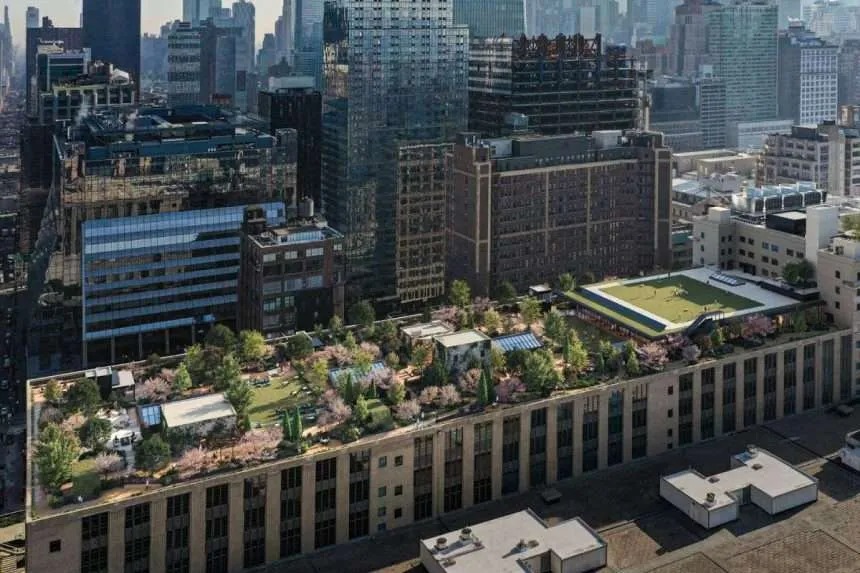
Studies confirm that Manhattan’s green roofs are concentrated in affluent areas. Over half of the city’s green roofs are located in the central and southern parts of the borough, which have higher-income populations, while heat-vulnerable neighborhoods like East Harlem and others lag behind. The installation cost, often $25 per square foot or more, suits high-income owners, and structural upgrades to older buildings create additional obstacles. However, city grants, such as the Department of Environmental Protection’s $6 million program, are aimed at bridging this gap.
Progress in the fight against climate change is slow but steady. In 2024, the number of green roof permits across New York City increased by 18%, with Manhattan leading the way. The borough’s 40,000 acres of rooftop space dwarf the current 60 acres of green cover, hinting at untapped potential. Each project confirms the concept, cooling streets, stemming floods, and greening the gray skyline. The Mayor’s office plans to create 50,000 square feet of new green space by the end of 2025, driven by record-breaking heatwaves. These projects aren’t just fighting climate change—they’re changing perceptions, proving that rooftops can become ideal locations for farms and parks.