

The Hudson River is one of North America’s most vital waterways, playing a significant role in the economy, ecosystem, and cultural heritage of the local population. For decades, the river has faced substantial pollution, negatively affecting not only local residents but also its animal and plant life. Learn more about the causes of pollution, its consequences, and cleanup efforts at manhattanname.
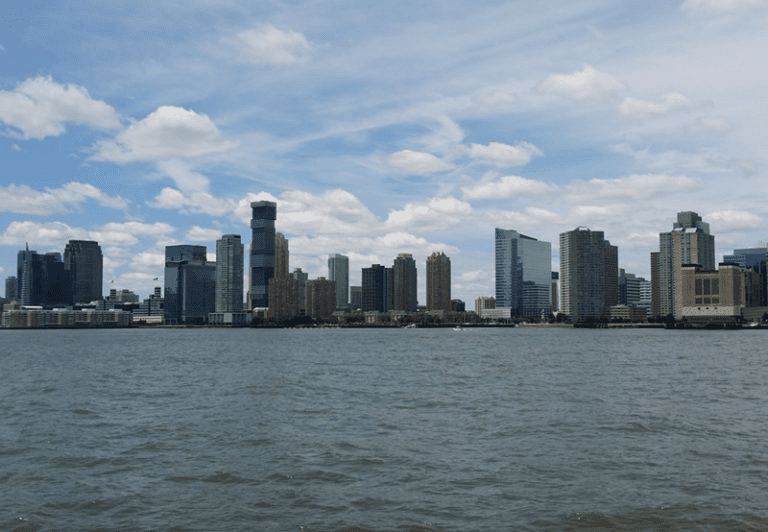
The Hudson River and Its Significance for Manhattan
The Hudson River is critically important to both Manhattan and its surrounding areas. Stretching 315 miles from the Adirondack Mountains to the Atlantic Ocean, the river has long been economically vital for Manhattanites. It served as a major route for trade ships and passenger transport. The Hudson remains just as crucial today, offering recreational opportunities for many and serving as an important ecological and economic resource.
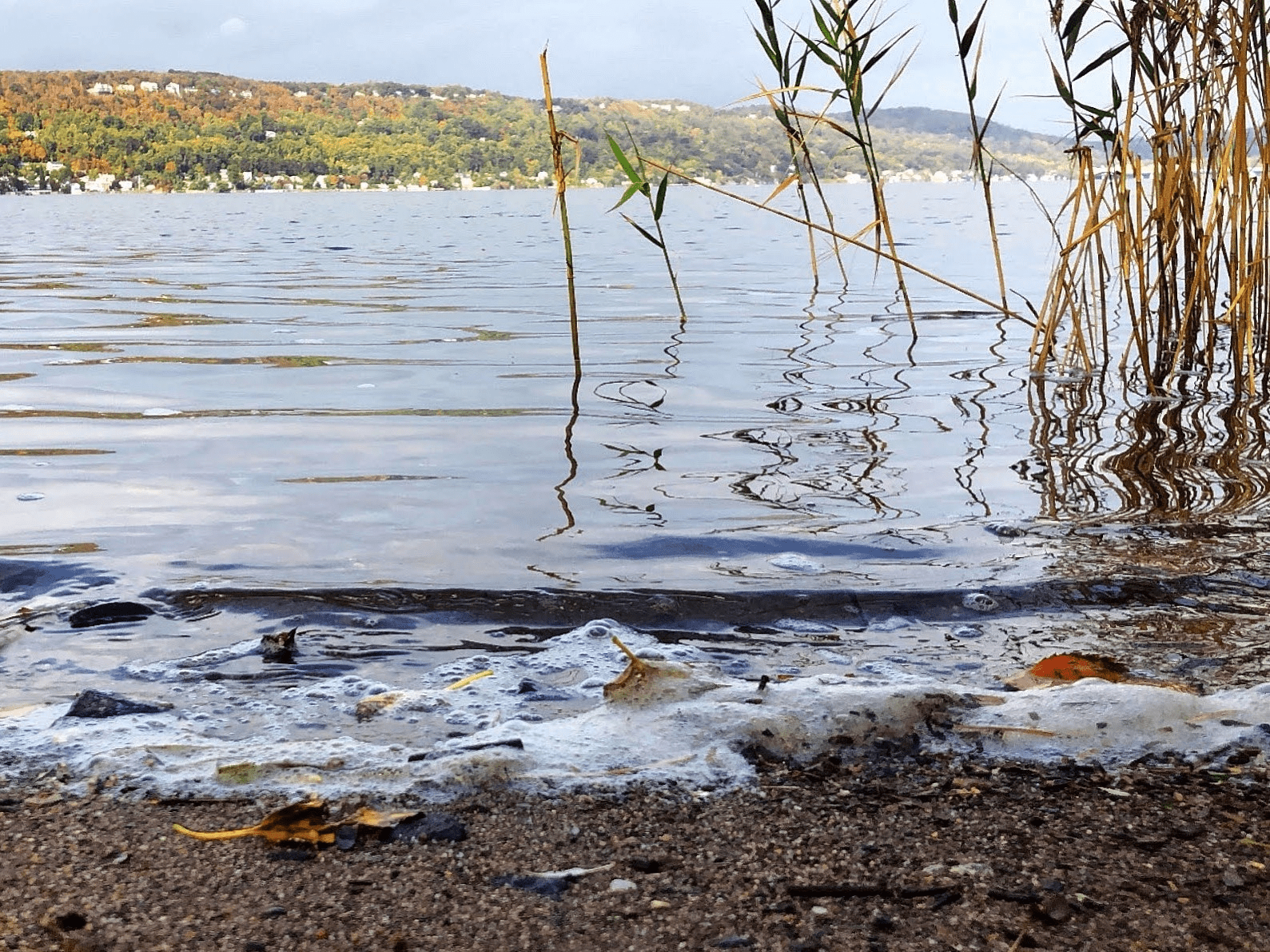
Why is the Hudson River Polluted and How Critical is the Situation?
Historically, various industrial plants polluted the river for an extended period, discharging waste directly into the water. These actions led to the inevitable accumulation of toxic substances, notably polychlorinated biphenyls (PCBs), heavy metals, and more. These chemicals are extremely harmful to humans and toxic to nature. What’s worse, these substances can persist in the water for decades. Today, the Hudson continues to suffer from pollution. One major cause is urban stormwater runoff. Precipitation washes animal waste, various chemicals, trash, oil, and similar pollutants from surfaces into the Hudson, further contaminating it. This issue can be addressed by building managed urban drainage systems, increasing green spaces, and installing rainwater harvesting structures.
Another significant contributor is Combined Sewer Overflows (CSOs). Essentially, CSOs are pipe systems designed to collect both household wastewater (from homes and businesses) and stormwater. While this wastewater is typically treated, heavy rainfall can overwhelm the system. To prevent street and pipe flooding, excess, untreated water is discharged directly into the river. Agricultural runoff presents a similar challenge. In summary, decades of human activity have severely degraded the Hudson River’s water quality.
What are the Dangers of This Pollution?
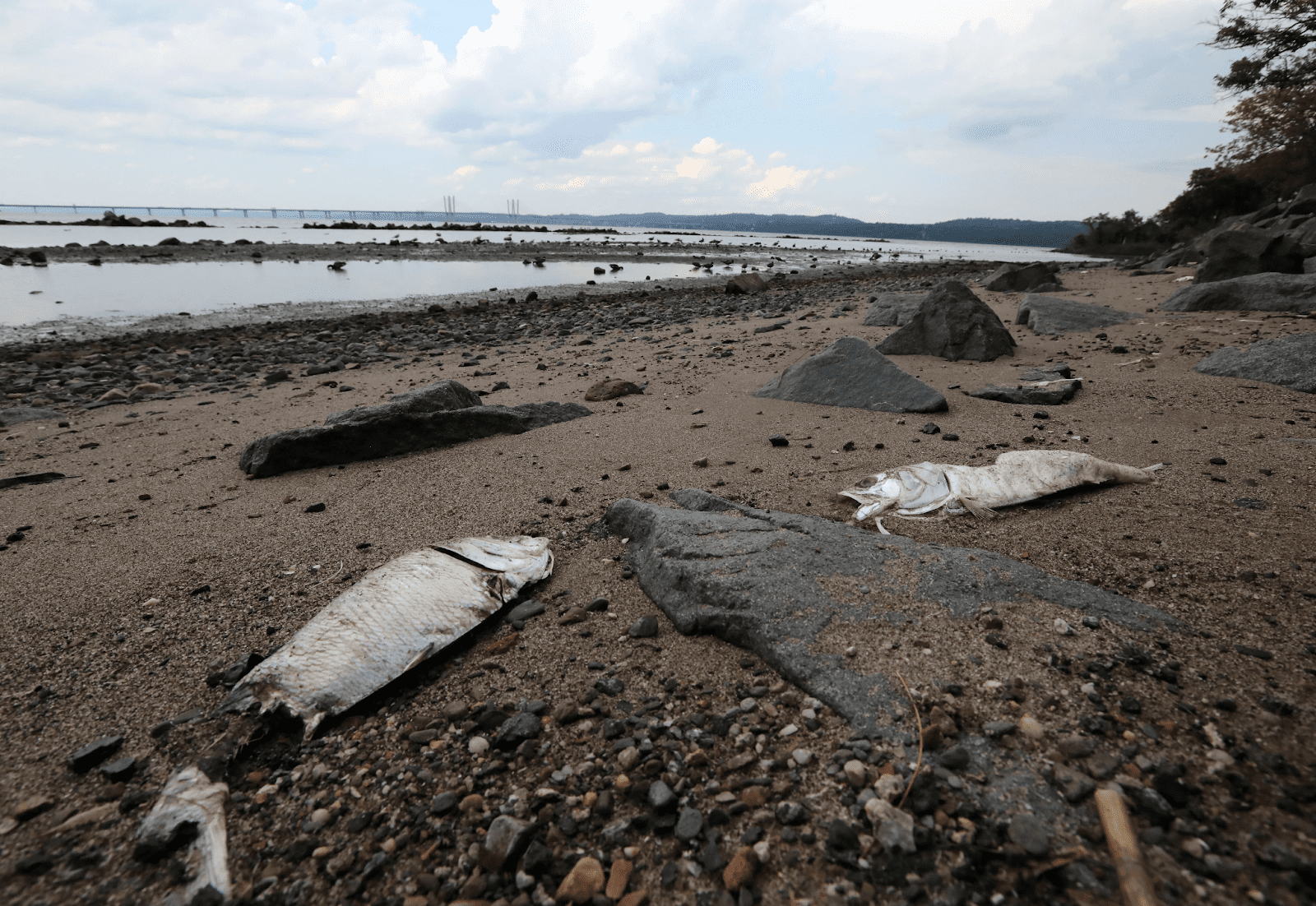
Pollution in the Hudson River has serious consequences for animals, plants, and humans alike. Over time, chemicals can accumulate in aquatic life, making them unsafe for consumption. The presence of hazardous substances also slows down reproduction, a critical factor for the development of all living things. Animals and birds that feed on aquatic organisms are also at risk. The entire ecosystem suffers; pollution can trigger harmful algal blooms, which deplete the oxygen essential for aquatic life. Furthermore, these waters are dangerous for swimming, as exposure to harmful elements can lead to serious health problems.
Initiatives to Clean Up the Hudson River
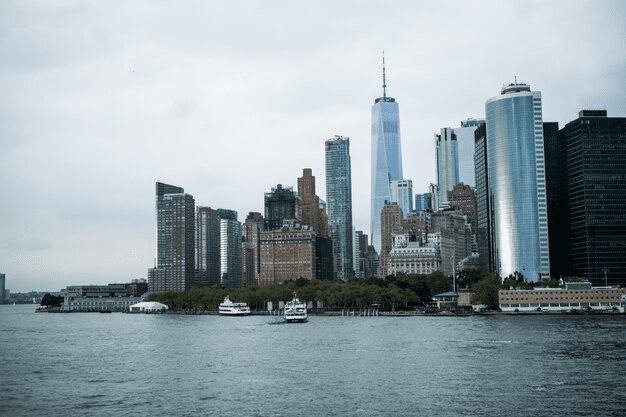
It’s important to note that local governmental and non-governmental organizations are actively working to address the Hudson River’s pollution. Organizations like the Hudson River Foundation and Riverkeeper conduct regular monitoring of the river, keeping the public informed about its condition. Additionally, several government programs are in place to tackle the Hudson’s pollution problem.