

This article explores the life of Thomas Lovejoy, a prominent American biologist and ecologist credited with coining the term “biodiversity.” Throughout his career, he made significant contributions to ecosystem research and conservation, notably campaigning against deforestation. Read on at manhattanname to learn more about Thomas Lovejoy’s extensive work.
Early Years
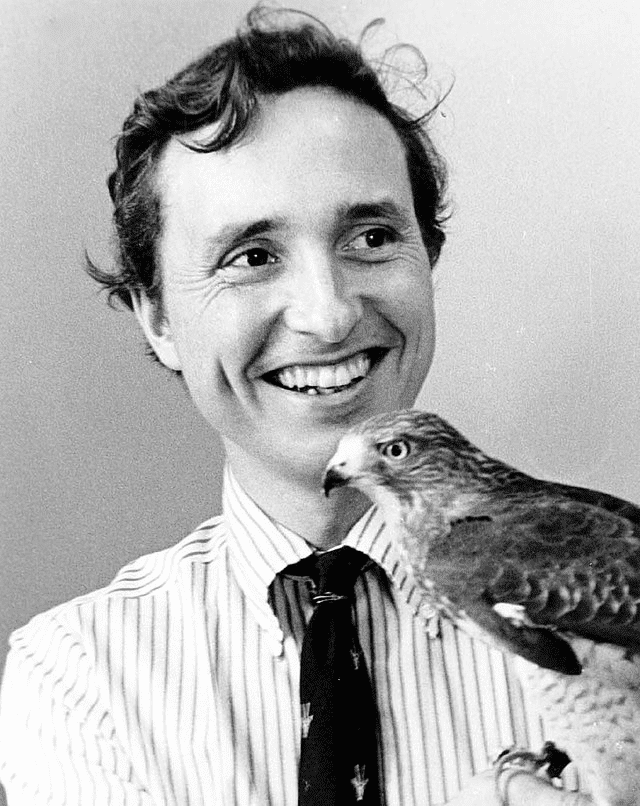
Thomas Eugene Lovejoy III was a renowned American ecologist, born in Manhattan on August 22, 1941. His father, Thomas Jr., served as president of the Manhattan Life Insurance Company, while his mother, Jeanne Lovejoy, was a homemaker. Lovejoy attended the Millbrook School for his secondary education. It was during these formative years that his passion for biology blossomed, largely due to his frequent involvement with the school’s Trevor Zoo. Driven by this growing interest, he pursued his dream by enrolling at Yale University, where he earned both a bachelor’s degree and a Ph.D. in biology. While studying, he also worked at the Yale Peabody Museum of Natural History.
A Legacy of Conservation
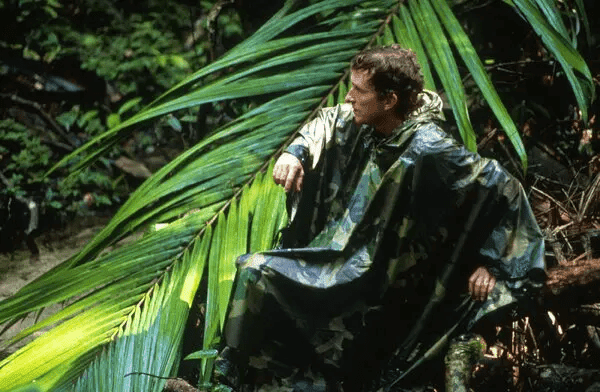
Lovejoy’s work in the Amazon began in 1965, marking the start of a lifelong dedication to the region. His scientific endeavors primarily focused on the Amazon rainforest and broader environmental conservation issues. He meticulously studied the impacts of deforestation and was a pioneer in developing strategies to protect these vital ecosystems. One of his most influential initiatives was the “debt-for-nature swap.” This innovative financial mechanism allowed developing countries to have a portion of their foreign debt forgiven in return for committing to local investments in environmental protection.
In 1979, Lovejoy launched the groundbreaking “Biological Dynamics of Forest Fragments Project.” This long-term ecological experiment investigated the effects of habitat fragmentation on tropical rainforests. Specifically, he and his team studied whether birds, mammals, insects, and trees could survive in patches of rainforest isolated by roads, development, or agriculture. Near Manaus, Brazil, they meticulously documented all living species in forest fragments ranging from one to one hundred hectares.
Their findings were stark: while some rodents, frogs, and sun-loving butterflies persisted in these isolated patches, many mammals and certain bird species suffered significant declines. Lovejoy highlighted that these fragments could lose up to 30% of their biomass. Alarmingly, areas around one hundred hectares could lose half their forest species in less than 15 years.
To further this critical research, Lovejoy established “Camp 41,” a research center near Manaus. He worked there himself and invited other specialists to join in observing and collectively combating deforestation. The center attracted not only scientists but also many prominent and influential figures, including celebrities like Olivia Newton-John and Tom Cruise; senators such as Tim Wirth, John Heinz, and Bill Bradley; and media personalities like Walter Cronkite, Tom Brokaw, and Ben Bradlee. Through his projects, Lovejoy passionately advocated against widespread deforestation, warning of its catastrophic impact on the planet, including its direct link to inevitable global warming.
Beyond his direct research, Lovejoy held several influential positions. From 1973 to 1987, he directed the conservation program at the World Wildlife Fund-US. He then served as Assistant Secretary for Environmental and External Affairs at the Smithsonian Institution in Washington, D.C., from 1987 to 1998, and in 1994, became Counselor to the Secretary for Biodiversity and Environmental Affairs there.
Later, from 1999 to 2002, Lovejoy was the Chief Biodiversity Advisor to the President of the World Bank. In 2010 and 2011, he chaired the Independent Advisory Group on Sustainability for the Inter-American Development Bank. His extensive service also included roles as a Senior Advisor to the President of the UN Foundation and chair of the Yale Institute for Biospheric Studies, among others.
Passing of a Pioneer
The renowned scientist Thomas Eugene Lovejoy III passed away at his home in McLean, Virginia, on December 25, 2021, at the age of 80. The cause of death was pancreatic cancer.