

In this article, we explore the origins of one of the most famous zoos in the United States. Learn more about the unexpected beginnings, challenges, renovations, and the animal collection of Central Park Zoo on manhattanname.
The History of the Zoo’s Creation
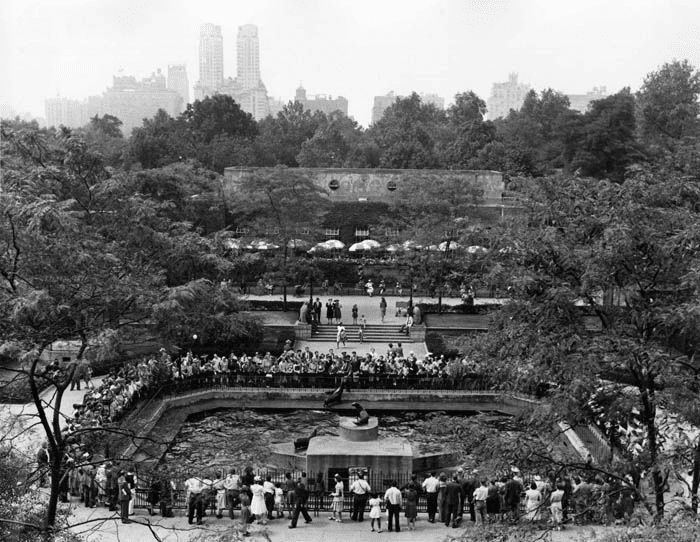
Central Park Zoo is a renowned Manhattan attraction located in the iconic Central Park at East 64th Street and Fifth Avenue. Covering about 6.5 acres (2.6 hectares), the zoo is managed by the Wildlife Conservation Society (WCS) and houses approximately 1,487 animals of 163 species. It attracts around 4 million visitors annually.
The zoo’s beginnings were unplanned. At one point, someone left a bear cub tied to a tree near East 64th Street, followed later by a monkey. These animals became beloved by passersby. Soon, the park accumulated unsolicited gifts of other animals like cranes, goldfish, and peacocks. Although officially not yet a zoo, animals were initially housed on a pedestrian esplanade. Planning for a formal zoological facility began around 1862, and the zoo was officially opened in 1864.
Popularity and Decline
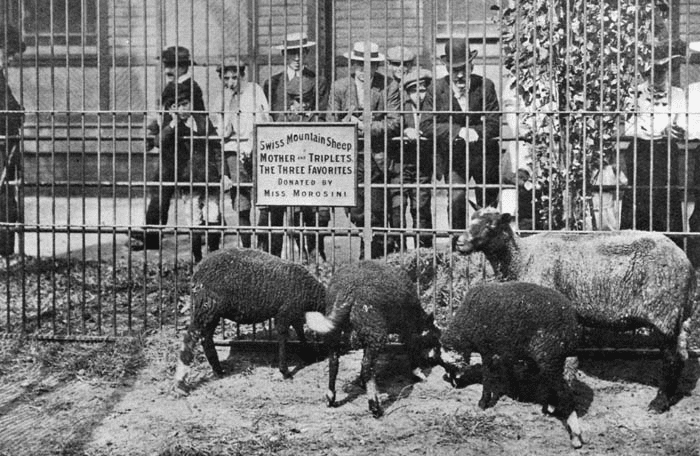
The first permanent structure was built behind the Arsenal building. Following its opening, Central Park Zoo gained immense popularity, especially due to its free entry and growing animal diversity. President Ulysses S. Grant even visited after a chimpanzee from Liberia joined the zoo. However, the zoo’s location caused disputes among local residents, some of whom demanded its relocation, though this never happened. Despite the larger Bronx Zoo opening later, Central Park Zoo retained its appeal and popularity. By the early 1900s, the zoo welcomed about 3 million visitors annually.
During the 20th century, the zoo’s condition deteriorated significantly. While more animals were added, care standards declined. The enclosures were poorly maintained, and some even required guards to prevent animals from escaping.
Renovation
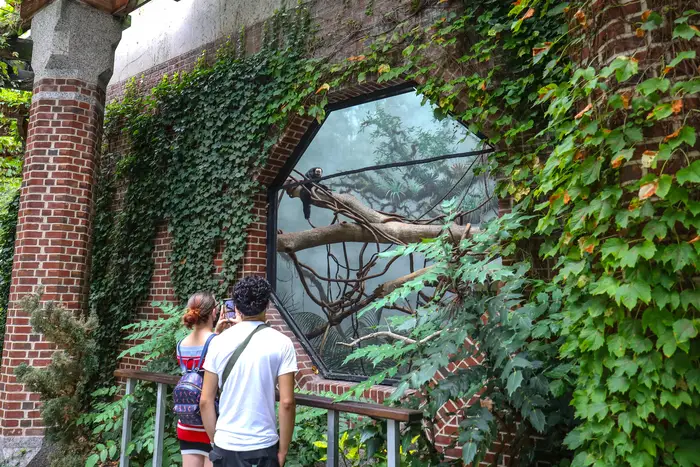
In the 1930s, New York City Mayor Fiorello H. La Guardia initiated a major renovation of the zoo. Architect Aymar Embury II designed the project, which included nine brick and terracotta structures such as animal enclosures, garages, special stations, and pools for marine animals. The plan met with criticism, as some locals believed funds would have been better spent on educational facilities. Despite the controversy, the newly renovated zoo reopened on December 2, 1934. By April 1936, the revamped zoo had attracted nearly 6 million visitors.
In 1960, work began on a children’s zoo to the north of the main facility. Officially opening on June 27, 1961, the children’s zoo featured both animals and various recreational attractions.
Animals at the Modern Zoo
The Central Park Zoo is home to approximately 1,487 animals representing 163 species. It specializes in exhibits that showcase animals from diverse climates, including tropical forests, polar regions, and temperate zones. Visitors can see animals such as:
- Pythons, tamarins, toucans, black-and-white lemurs, Taveta golden weavers, blue-crowned motmots
- Crested couas, blue-gray tanagers, African pygmy geese, ochre-bellied parrots, Rodrigues flying foxes
- Seba’s short-tailed bats, emerald tree boas, white-fronted Amazons, blue-headed macaws, plum-headed parakeets
- Piranhas, pig-nosed turtles, red-footed tortoises, red pandas, whooping cranes, snow monkeys, snow leopards, and many others.
The Central Park Zoo continues to be a cherished attraction, blending historical significance with modern conservation and education.